

KEY CONTRIBUTIONS TO
CAREER GUIDANCE AND COUNSELLING
Early Research
The Promise Foundation’s earliest research nearly 3 decades ago, indicated that over and above academic pressures, making effective career choices posed a significant developmental challenge to adolescents. Our surveys revealed that over 95% of students and their parents in different parts of the country were confused and anxious about making how to make a career choices. More often than not, choices that were finally made were based on based hearsay, common career beliefs and academic performance.
Career guidance services were hardly available to young people and their families. When available, these services were largely based on Western models of work, job and career and were largely psychometric in their orientation.
Is is against this back ground that The Promise Foundation become a pioneer for India in the field of career guidance and counselling. Culturally grounded methods and tools were developed and our first career guidance interventions were launched in 1988.
Work Awareness and You (WAY)
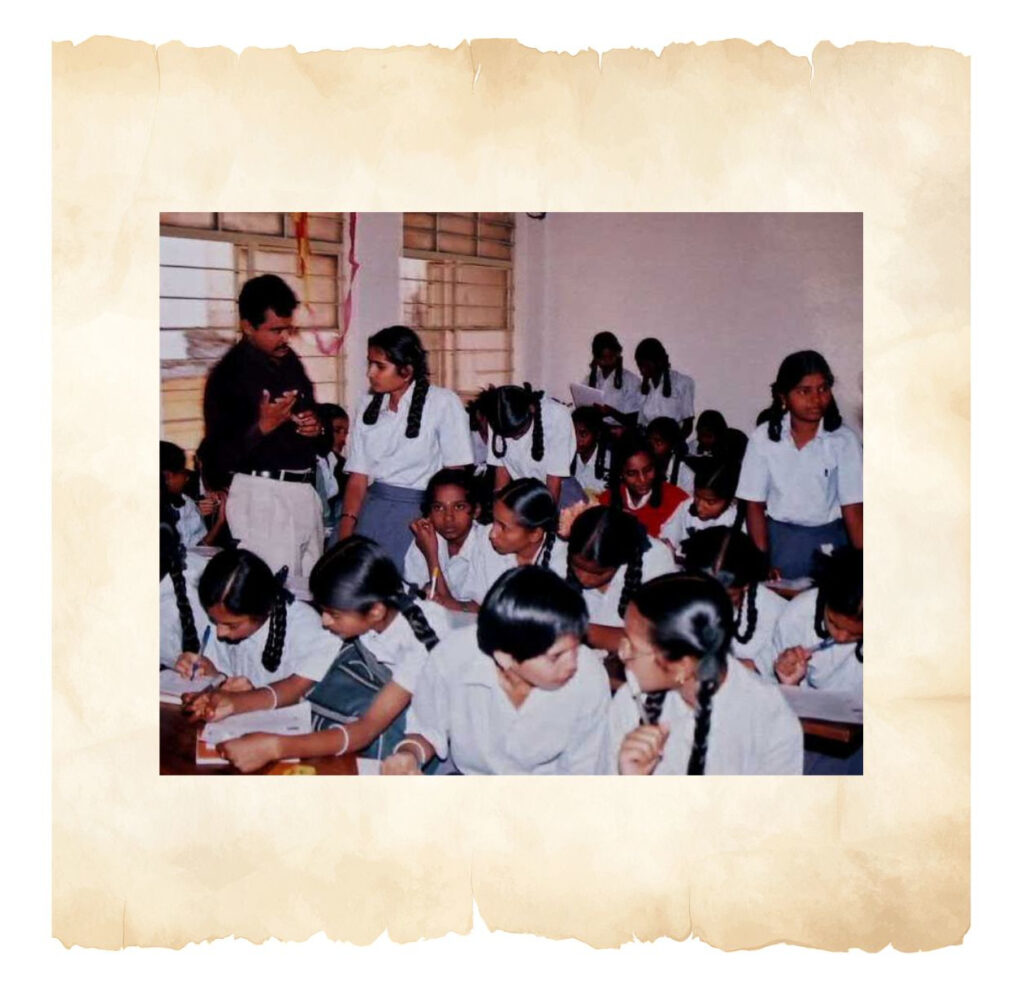
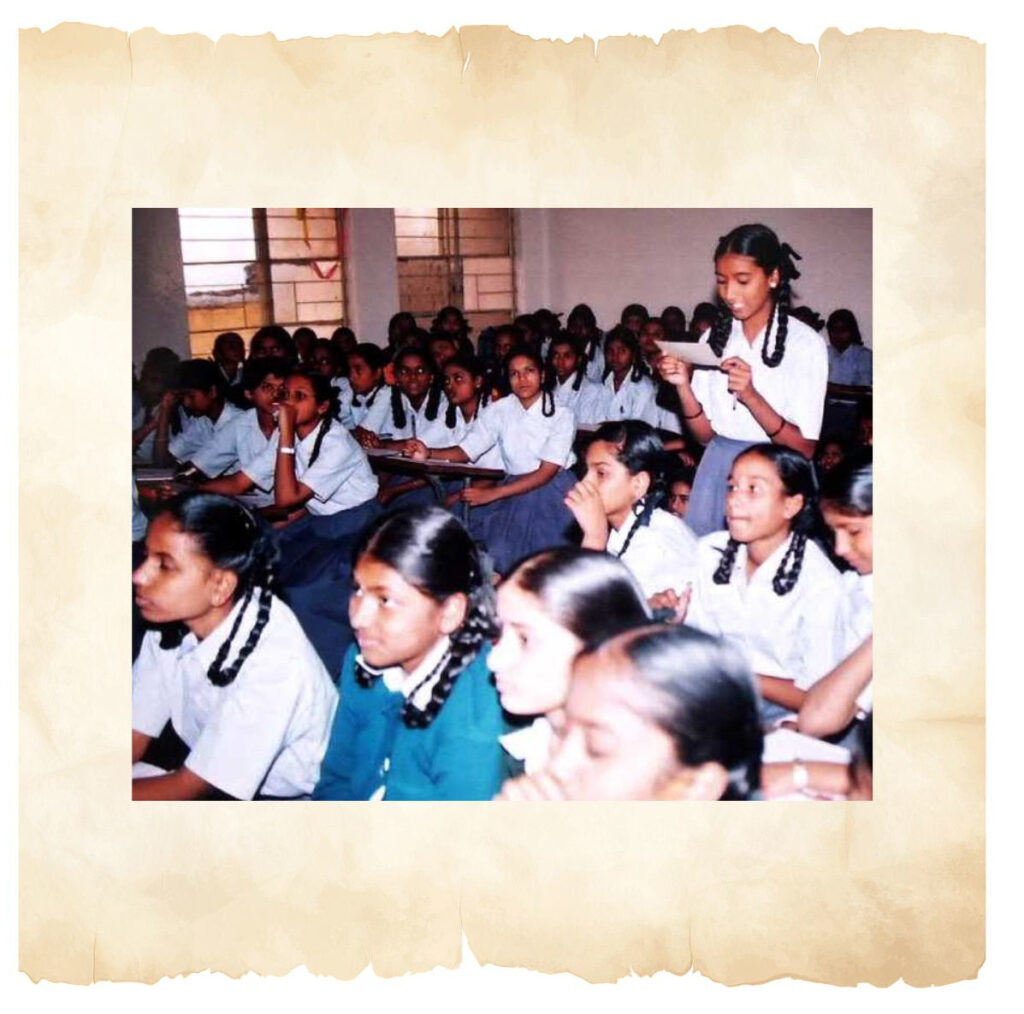
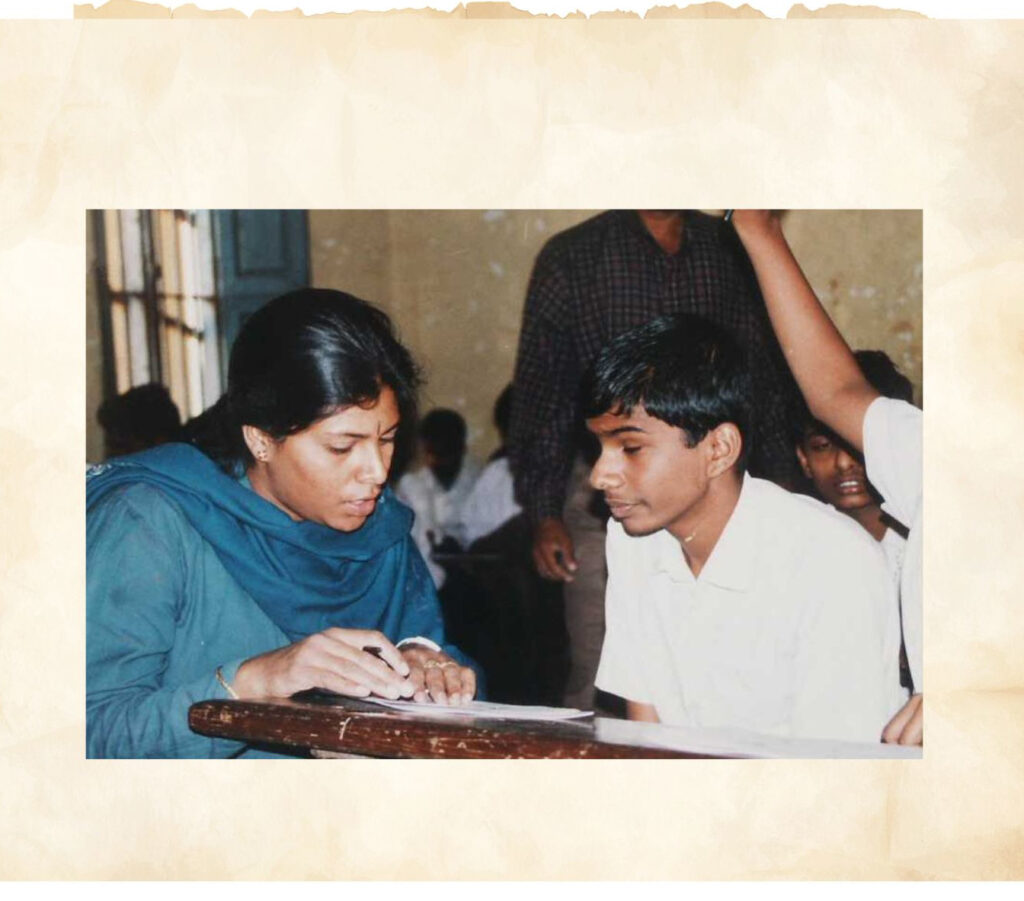
Work Awareness and You (WAY) was our earliest career guidance intervention. WAY was designed for high schoolers from disadvantaged backgrounds and aimed at preventing underemployment.
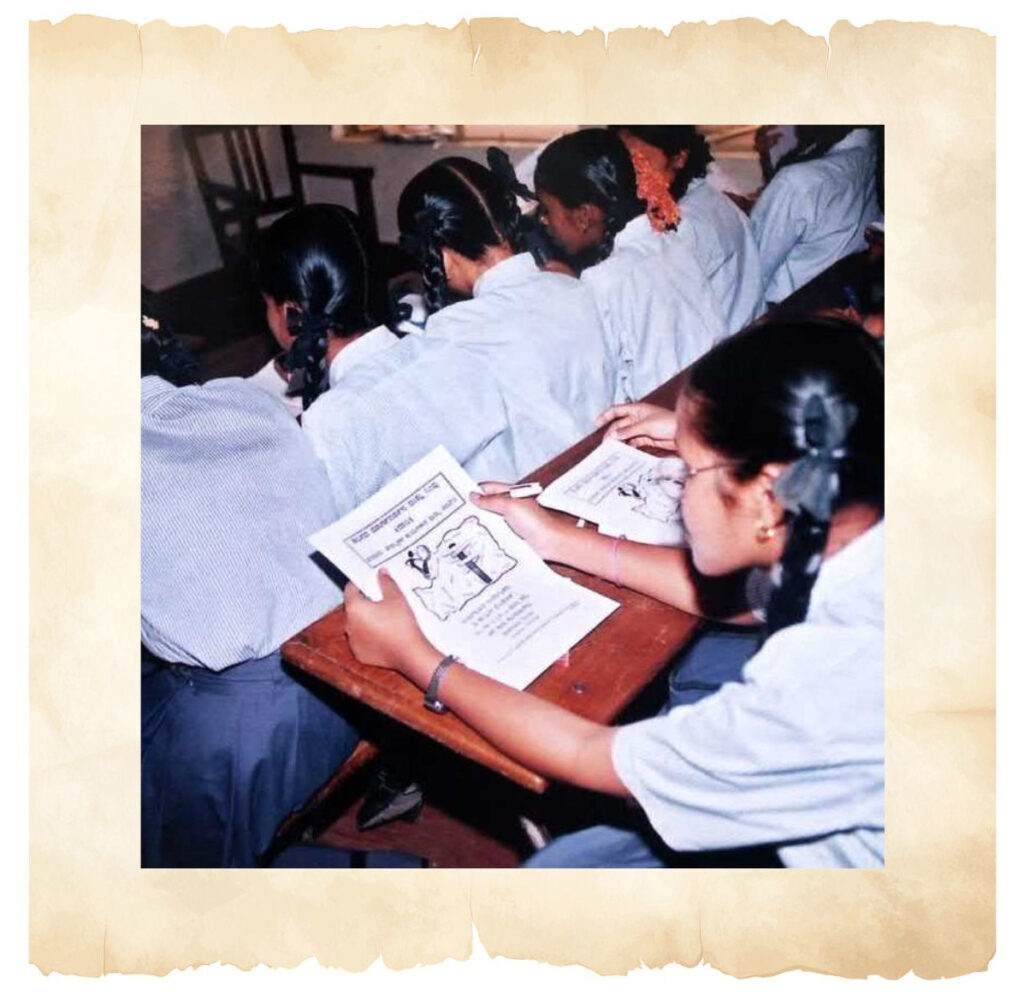
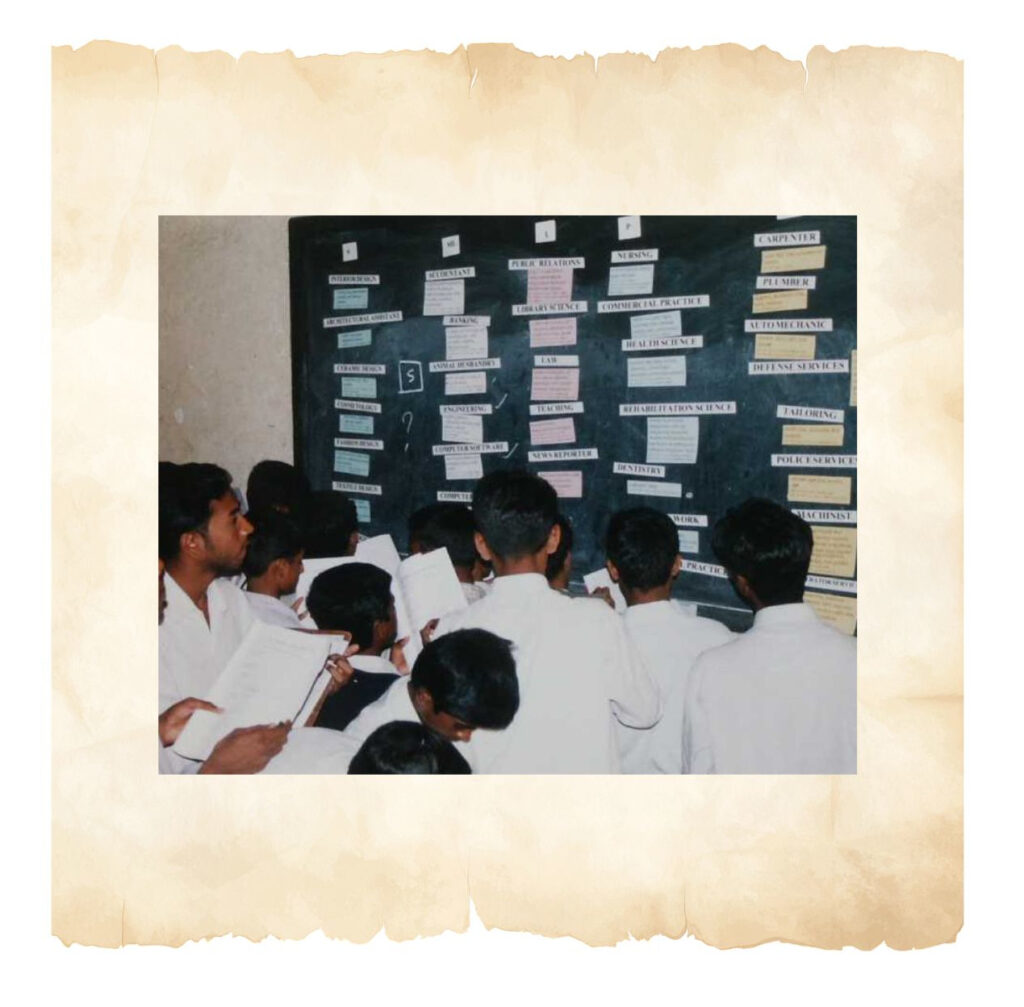
WAY workshops were conducted for high school students in government and corporation schools, specifically focusing on children from low socio-economic status groups who were at risk of dropping out of school and falling into the trap of becoming unskilled laborers. The overarching objective was to help families understand that having a qualification greatly improves one’s career development trajectory, when compared with entering the world of with with no formal skills.
WAY workshops helped students understand themselves better and recognize their own abilities, interests, and potential. It improved their understanding of the workplace and provided insights into different career options and the skills required for them. WAY also connected students with the many support systems made available to them by the government in the form of scholarships and welfare schemes.
WAY aimed at bridging the gap between education and employment, facilitating a smoother transition from school to work.



Self-Efficacy Training (SET)
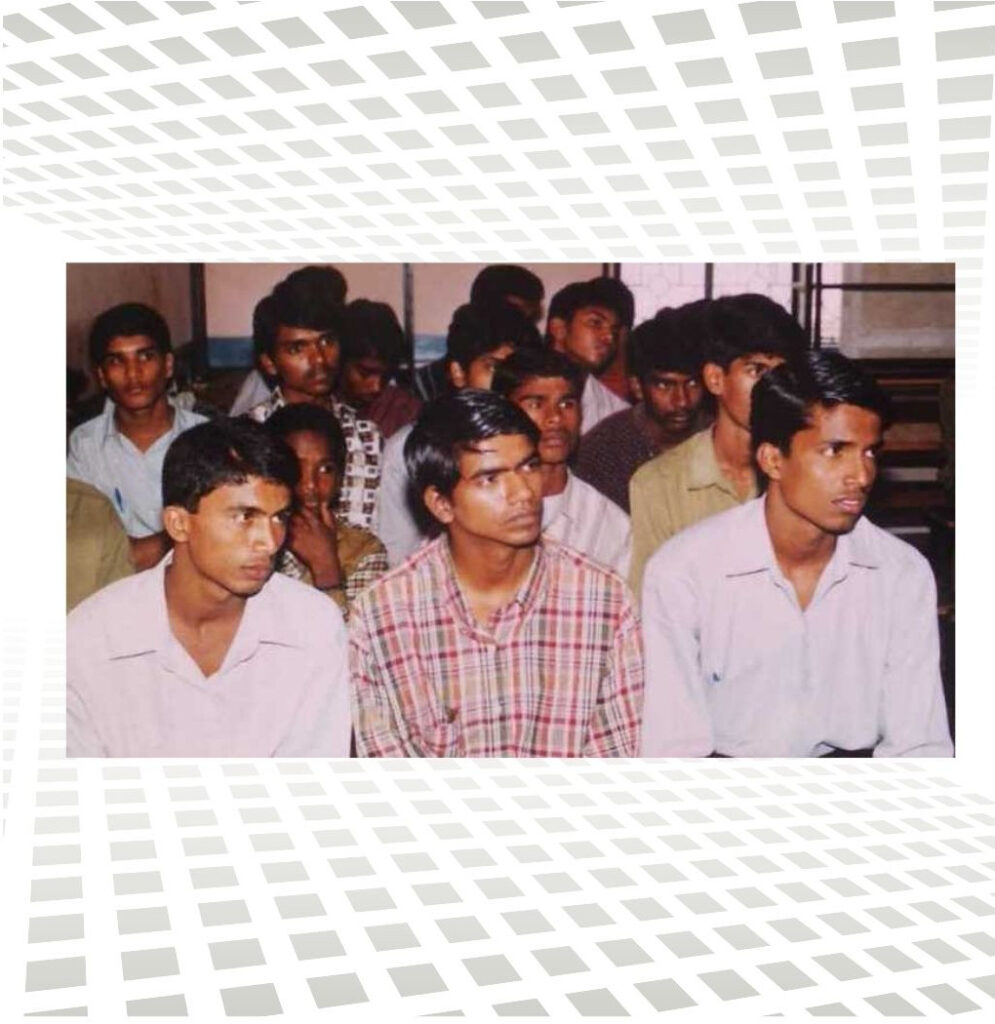
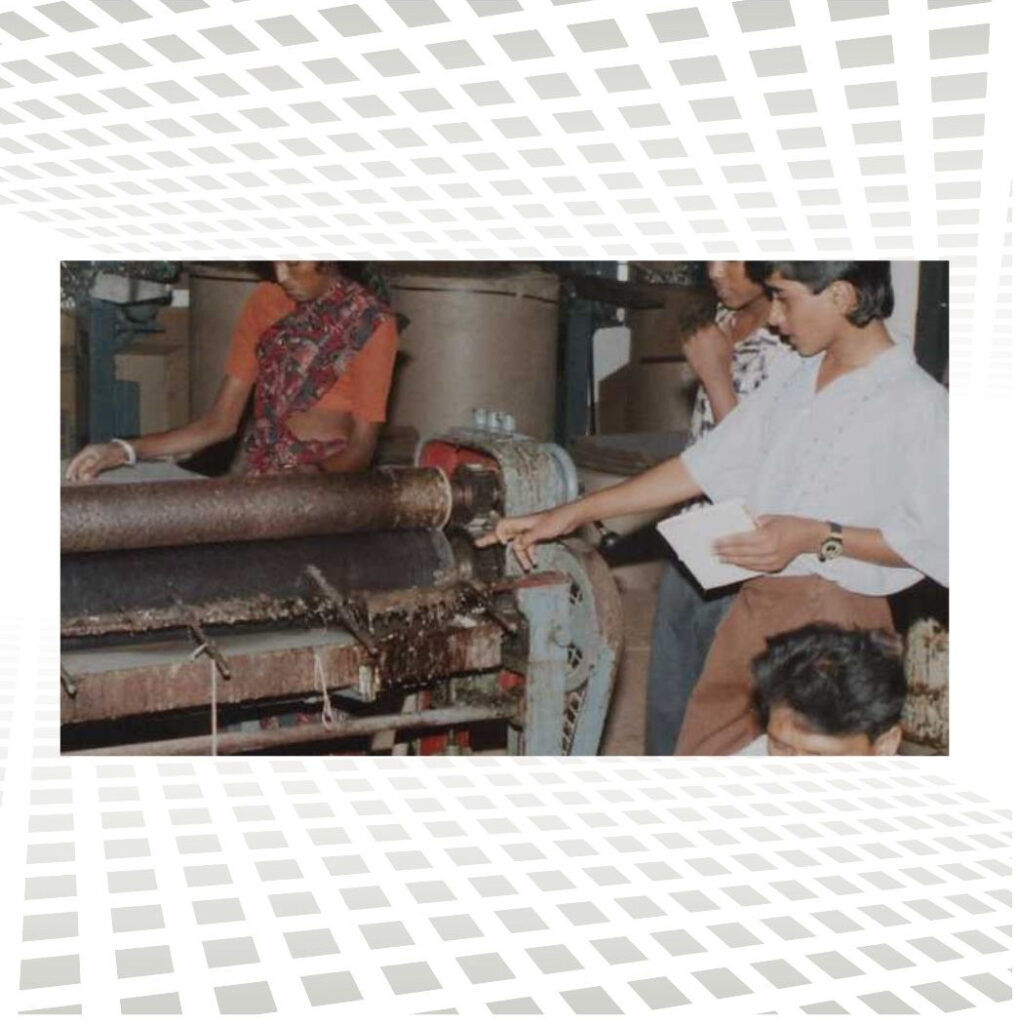
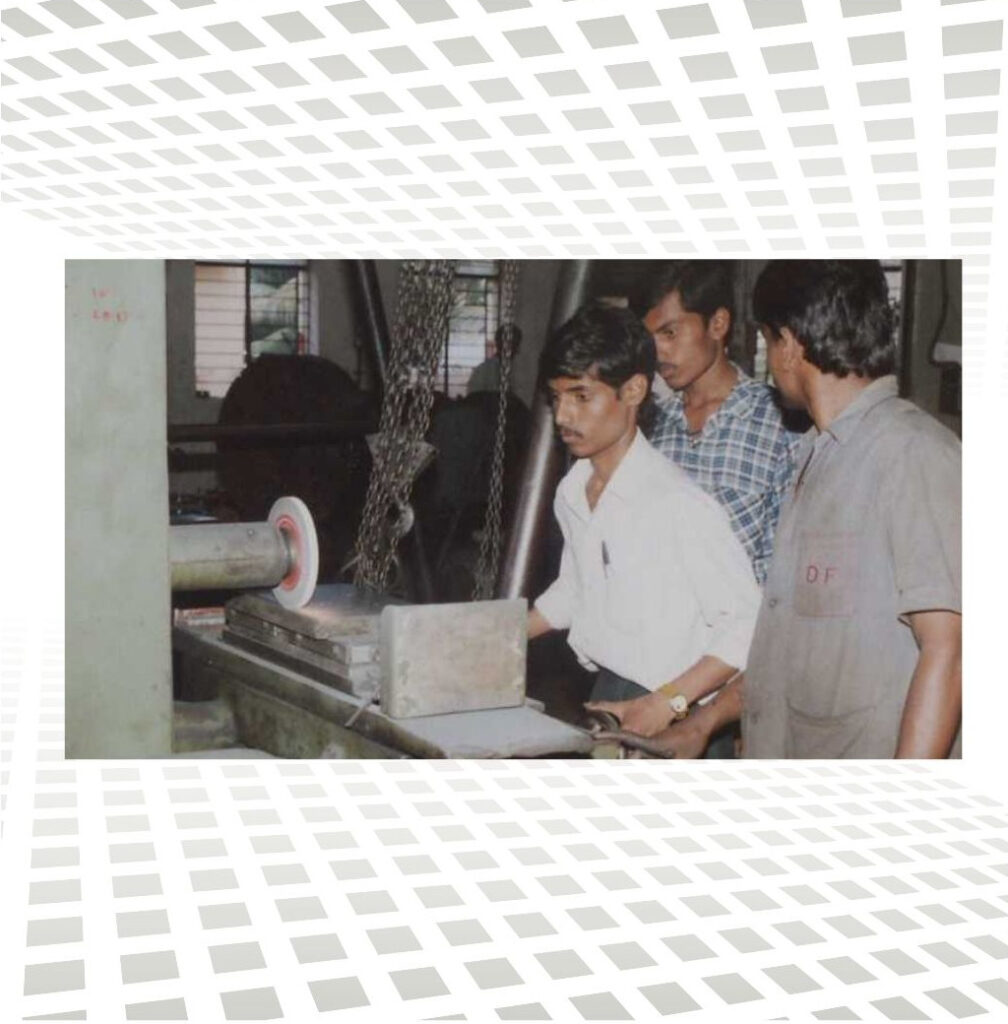
Self-Efficacy Training (SET) was an adaptation of WAY, another, specialised approach to career development targeting young people who had dropped out of school. It focuses on building “skill literacy” and boosting confidence to overcome the poverty cycle, addressing the low confidence that often accompanies academic failure. SET focuses on the person’s self-efficacy: the belief in one’s capability to perform tasks and achieve goals and thereby prevent the “low-motivation” spiral often seen amongst economically disadvantaged youth. The approach incorporates principles from Albert Bandura’s Social Cognitive Theory, which emphasizes that self-efficacy is a strong predictor of behavior outcomes and performance.
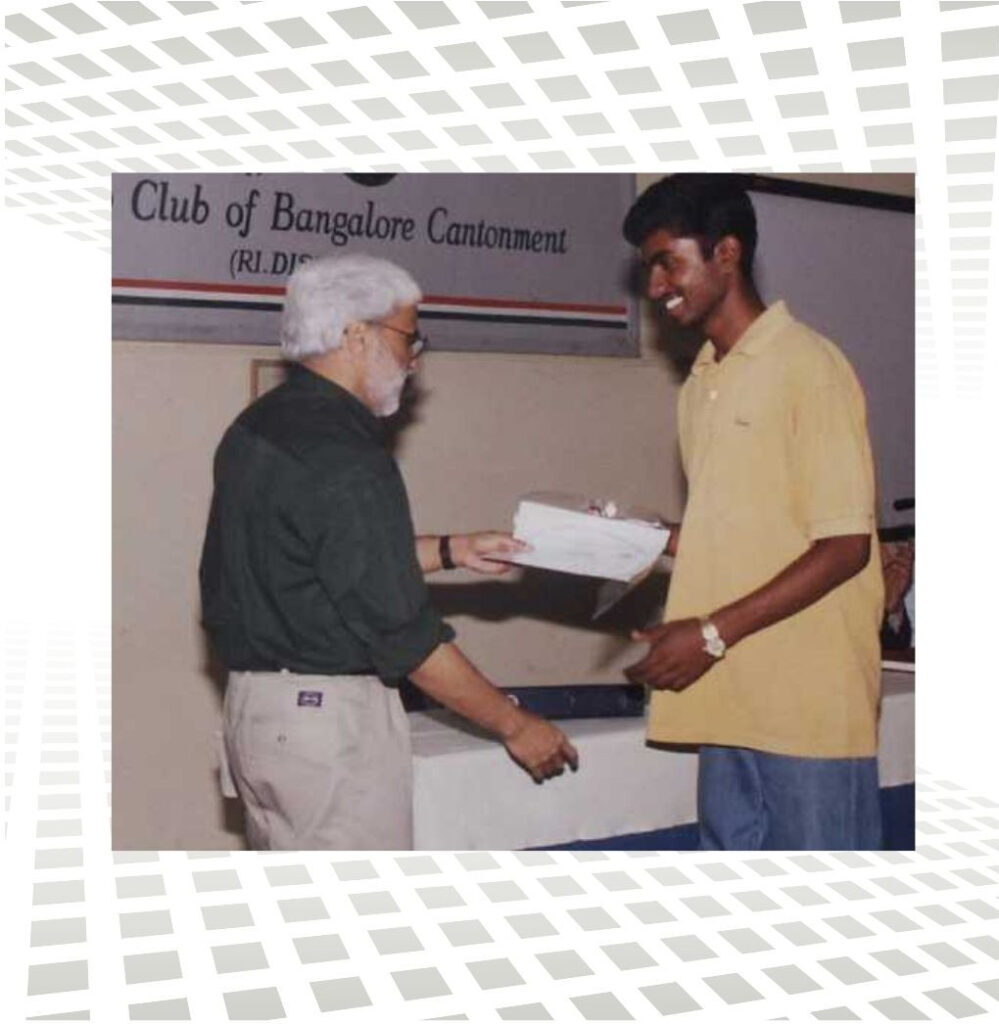
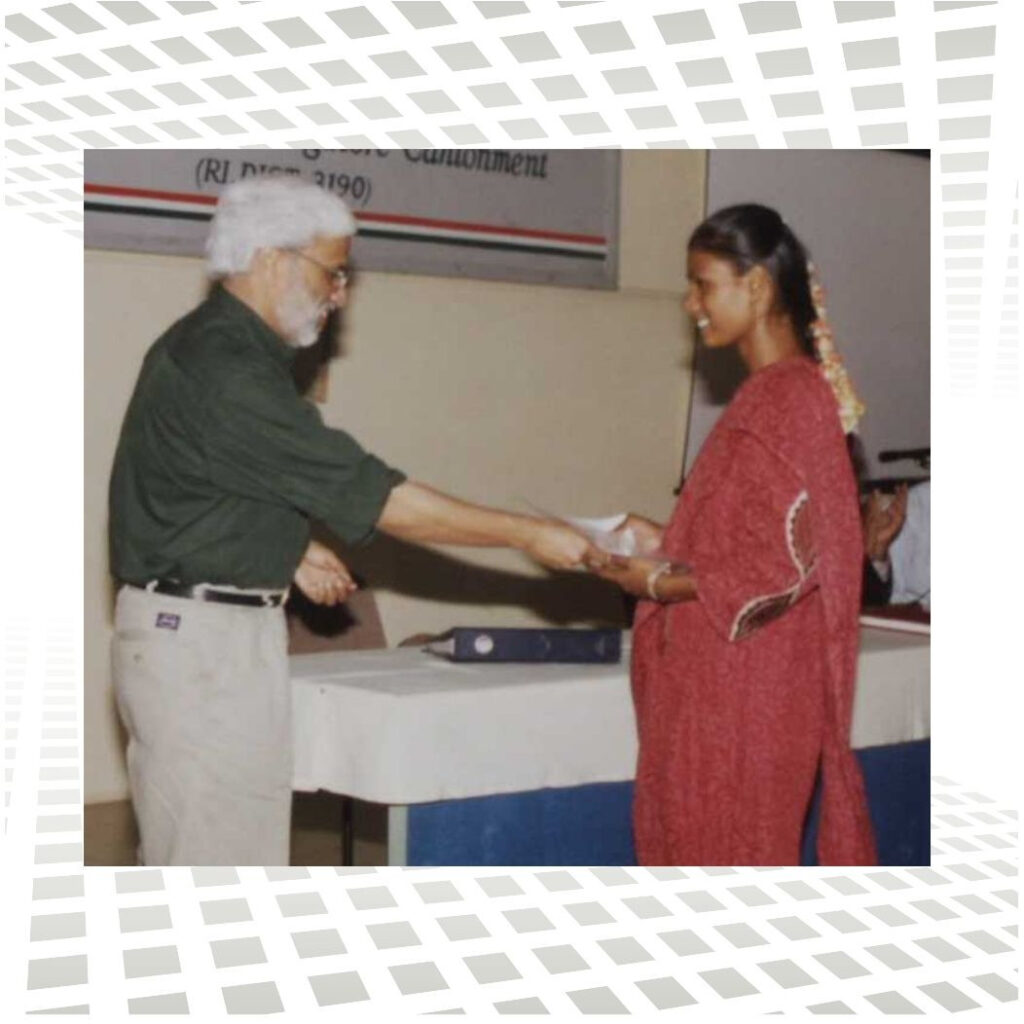
The SET programme partnered with the Peenya Industrial Association (PIA) a prominent, non-profit industrial hub that significantly contributes to India’s export economy. SET combined half a day of self-efficacy training with the other half seeing participants placed directly in industries where they gained invaluable work experience. On completion of the 3 month programme, the PIA, in partnership with the local Rotary Club awarded students with a work experience certificate. Participants could use this certificate to then apply for better jobs.
This model has subsequently been adapted to other contexts.
First Indian Survey on Career Orientations
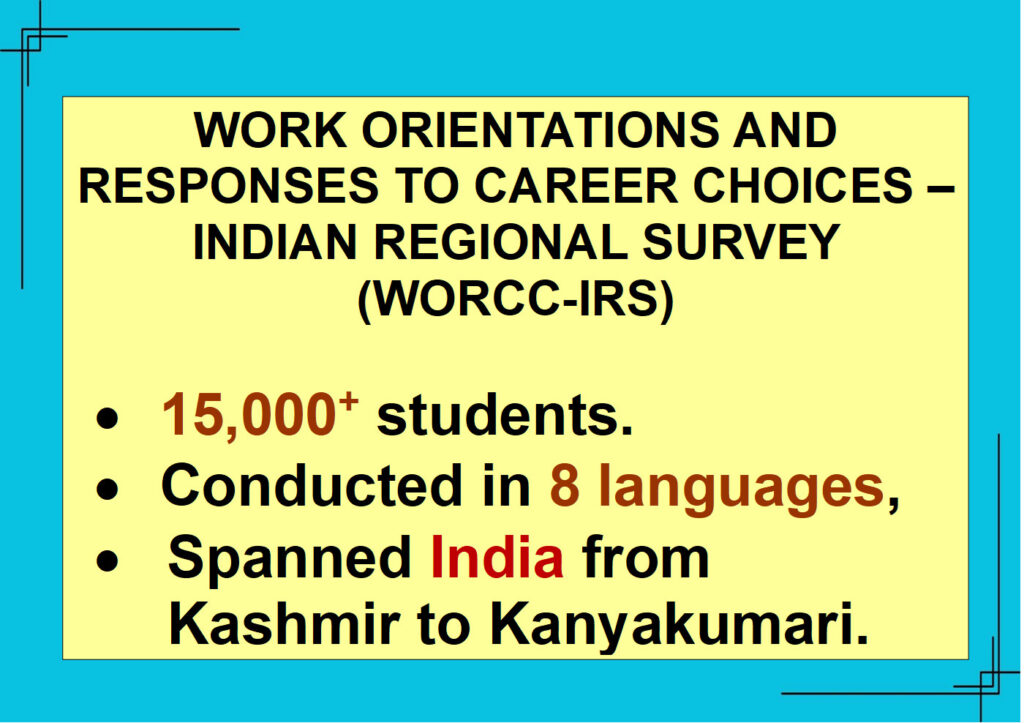
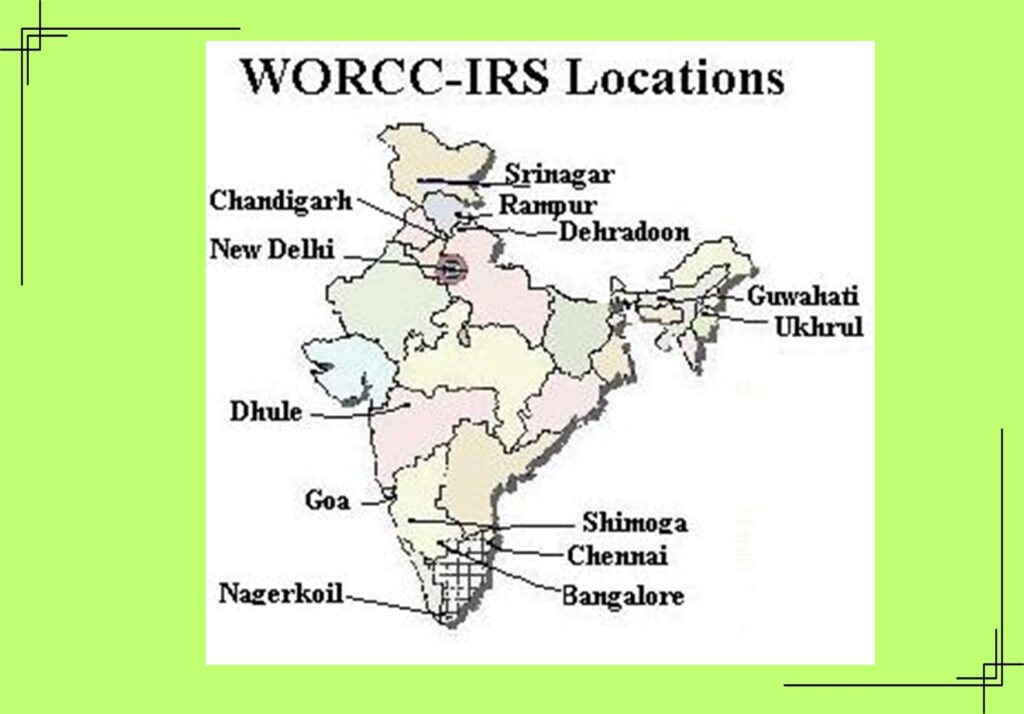
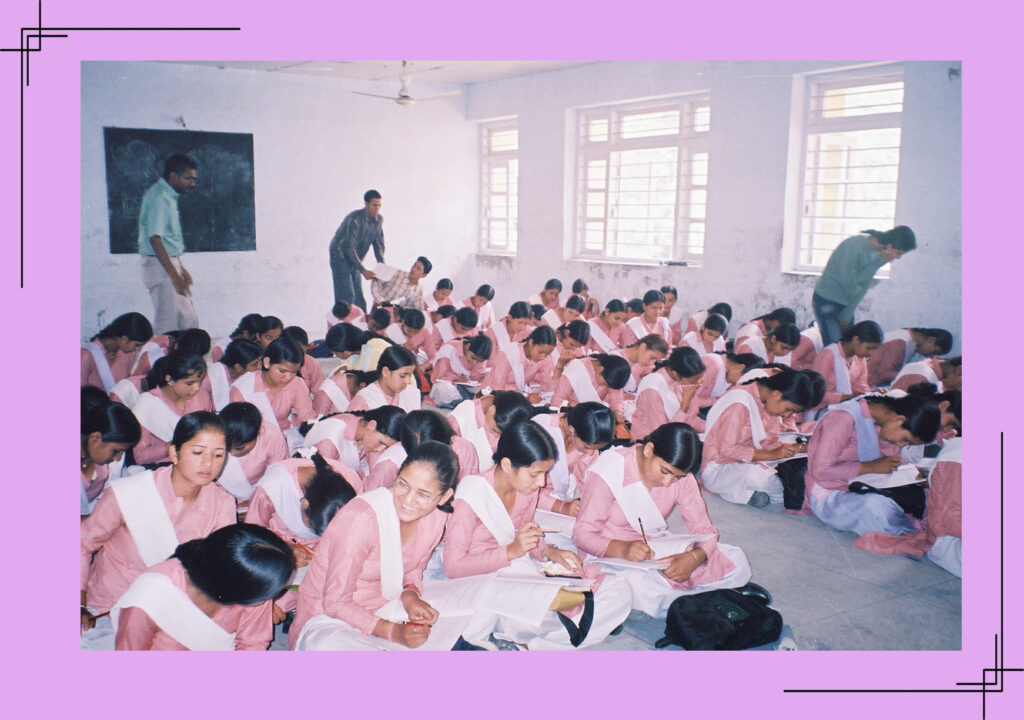
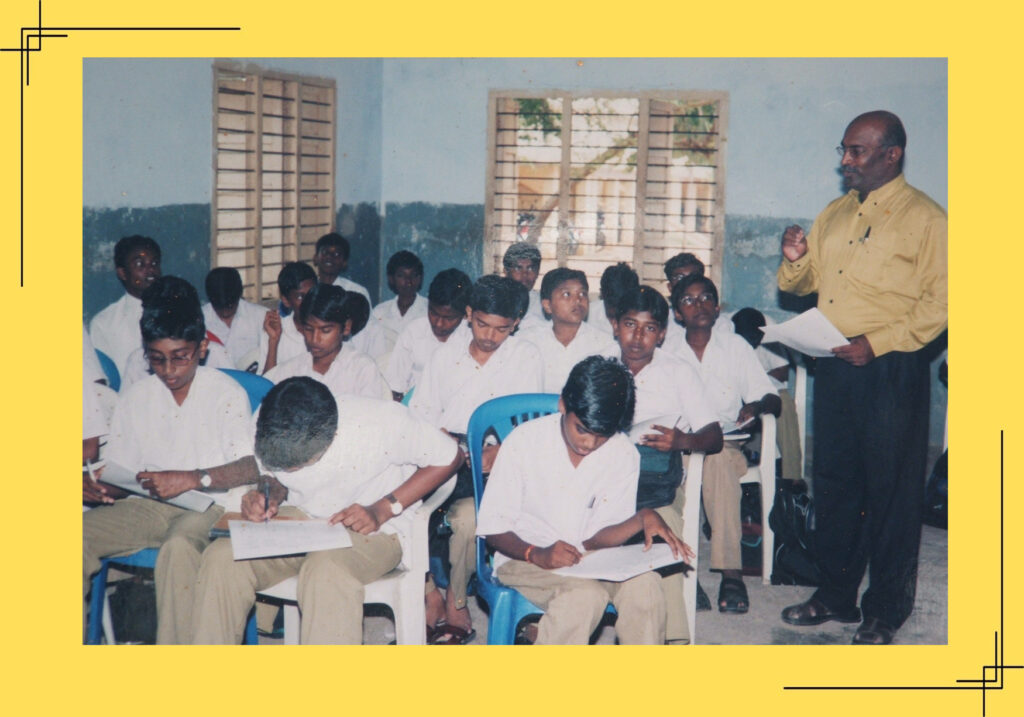
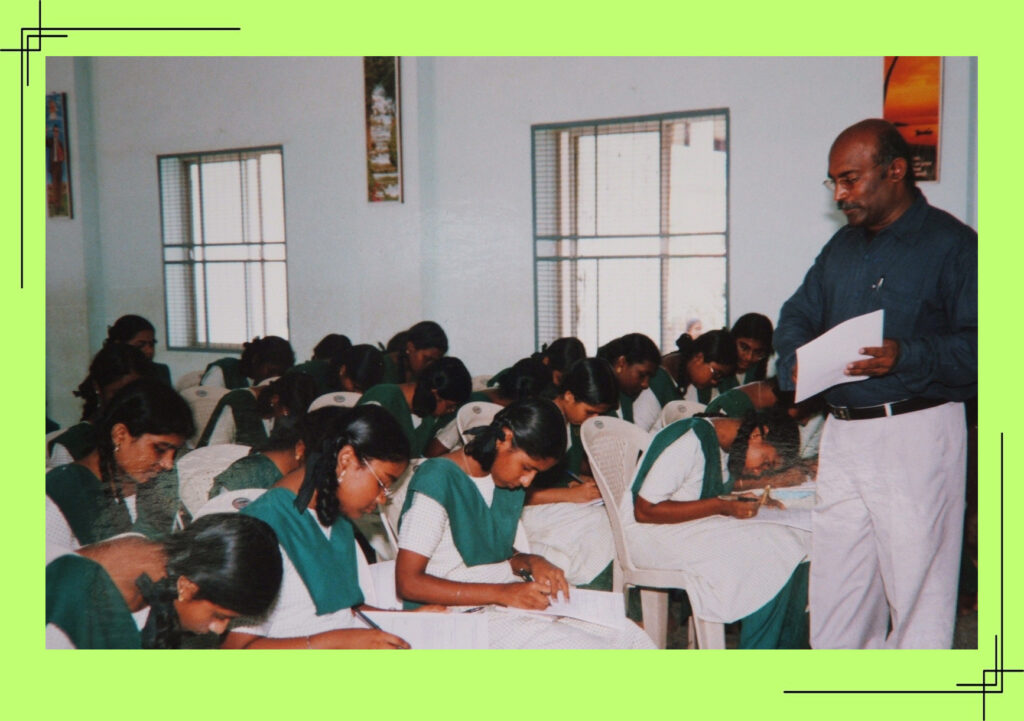
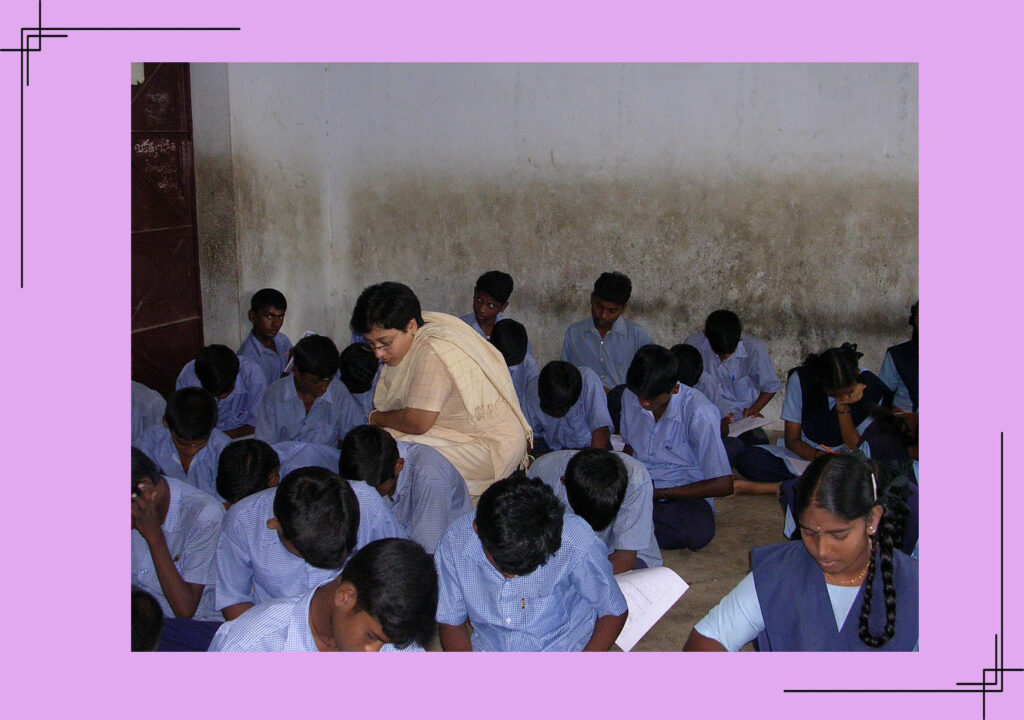
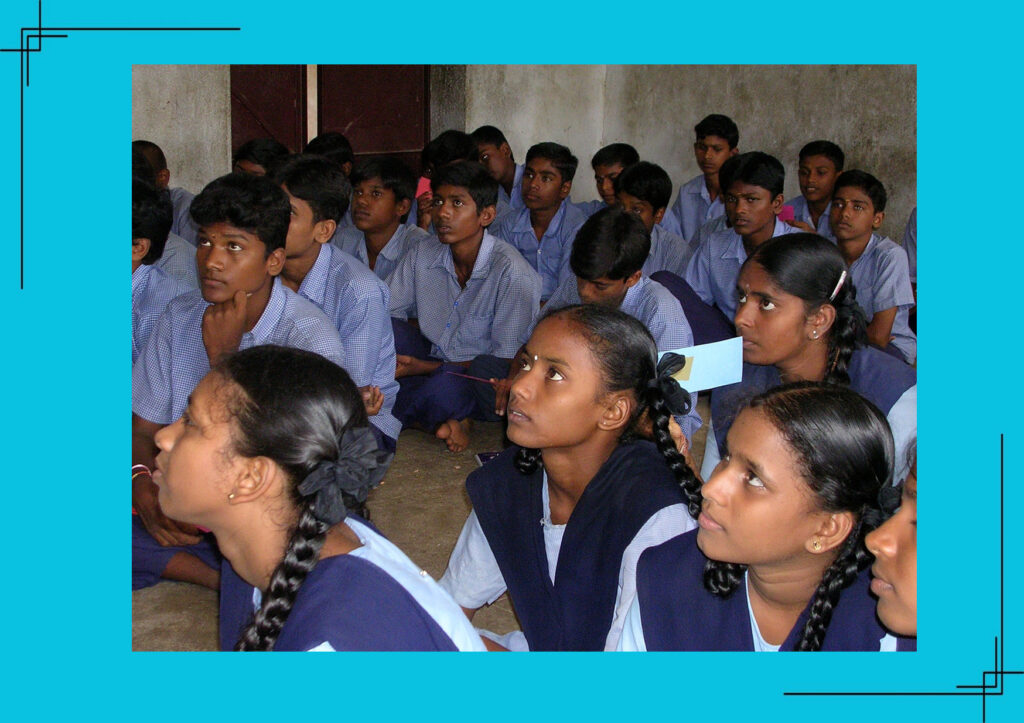
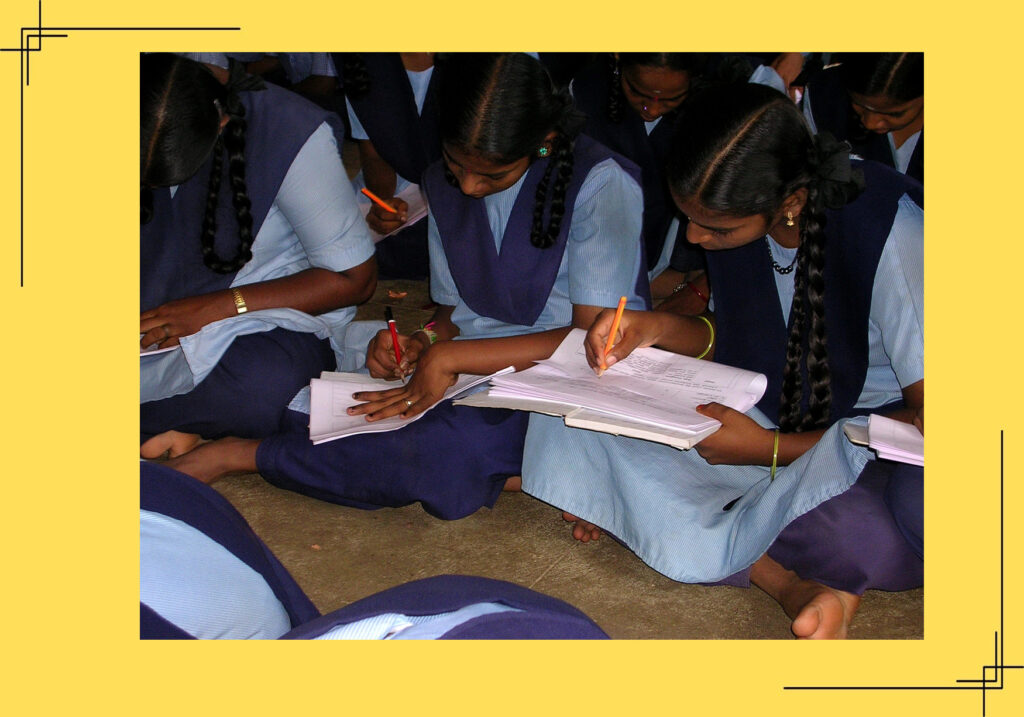
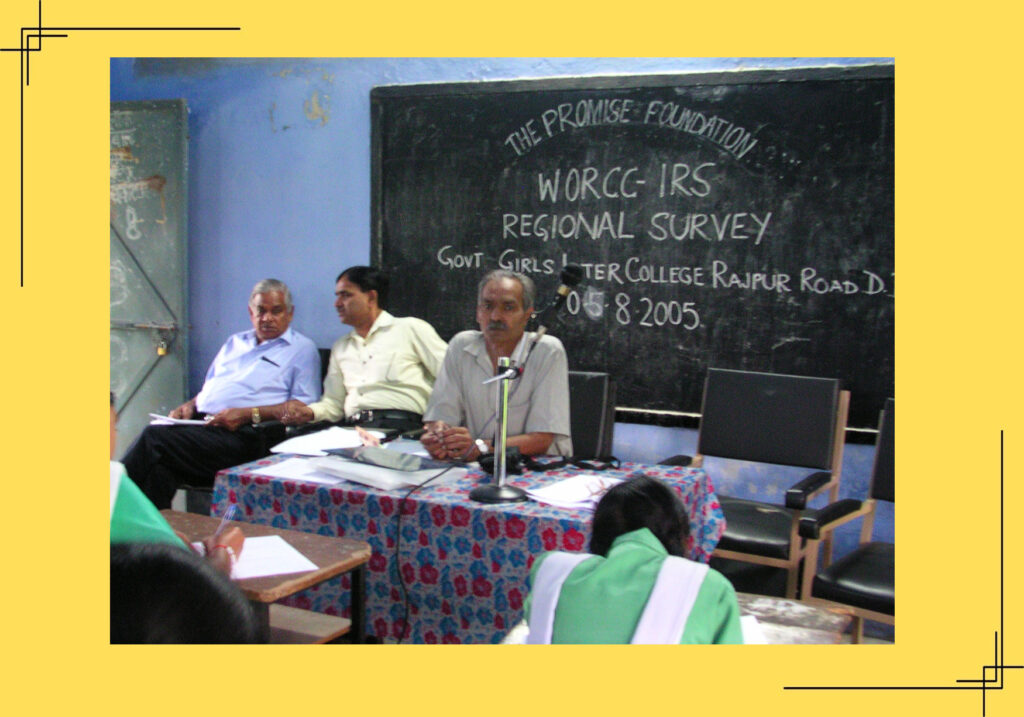
In keeping with The Promise Foundation’s commitment to develop evidence based, culturally grounded interventions, we conducted the Work Orientations and Responses to Career Choices – Indian Regional Survey (WORCC-IRS) in 2005 interacting with over 15,000 students. Conducted in 8 languages, the study spanned India from Kashmir to Kanyakumari.
The survey aimed at analysing how cultural contexts, family, and social-cognitive factors influence career choices. Data was collected on the career thoughts of Indian youth and their parents, and focused on the impact of family support, parental approval, perceived career barriers, and existing career beliefs on decision-making.
The study highlighted the urgent need for structured career guidance in India to help youth navigate complex, changing work environments and break the cycle of poverty.
Before the WORCC-IRS, much of the career guidance in India was based on Western, models that did not reflect the unique social, economic, and cultural dynamics of Indian students.
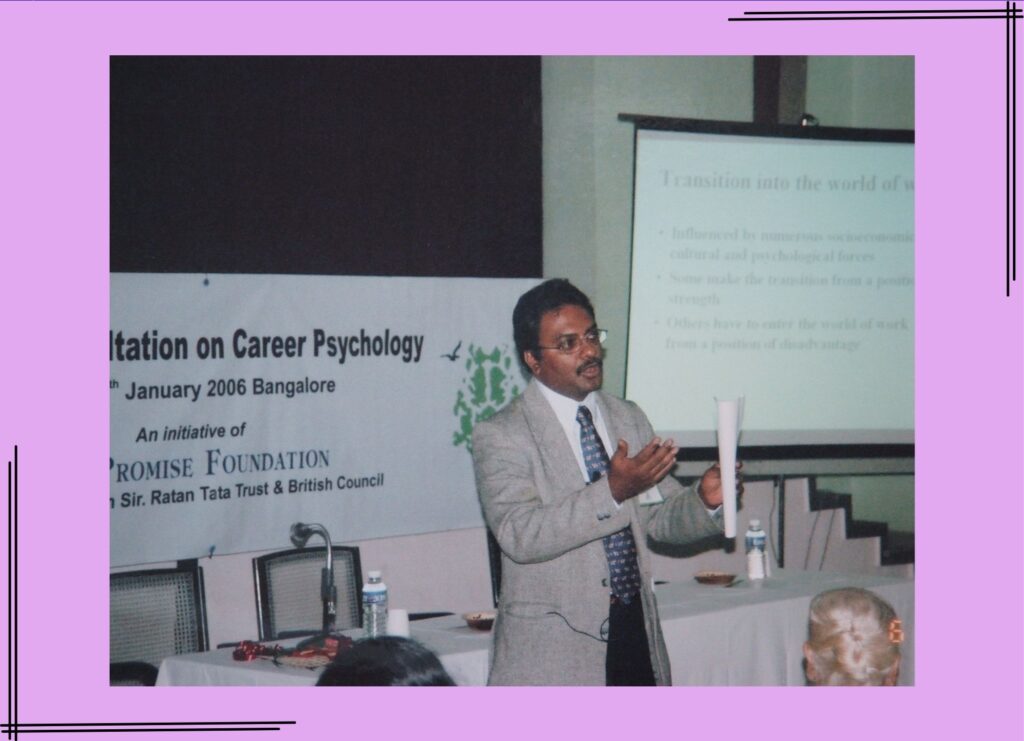
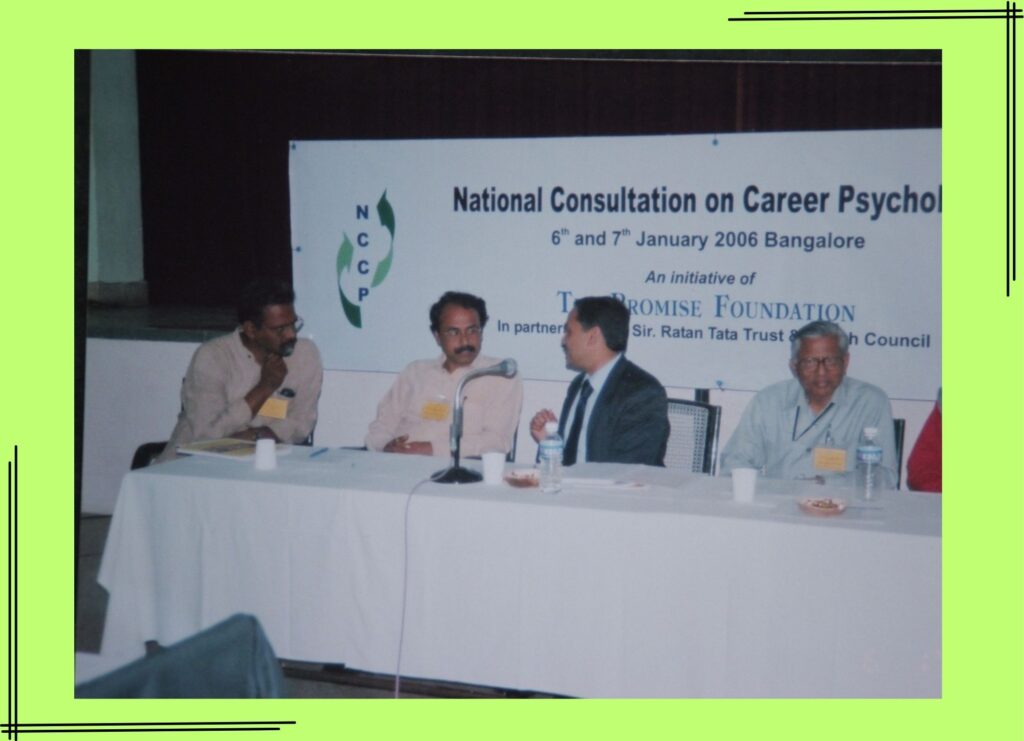
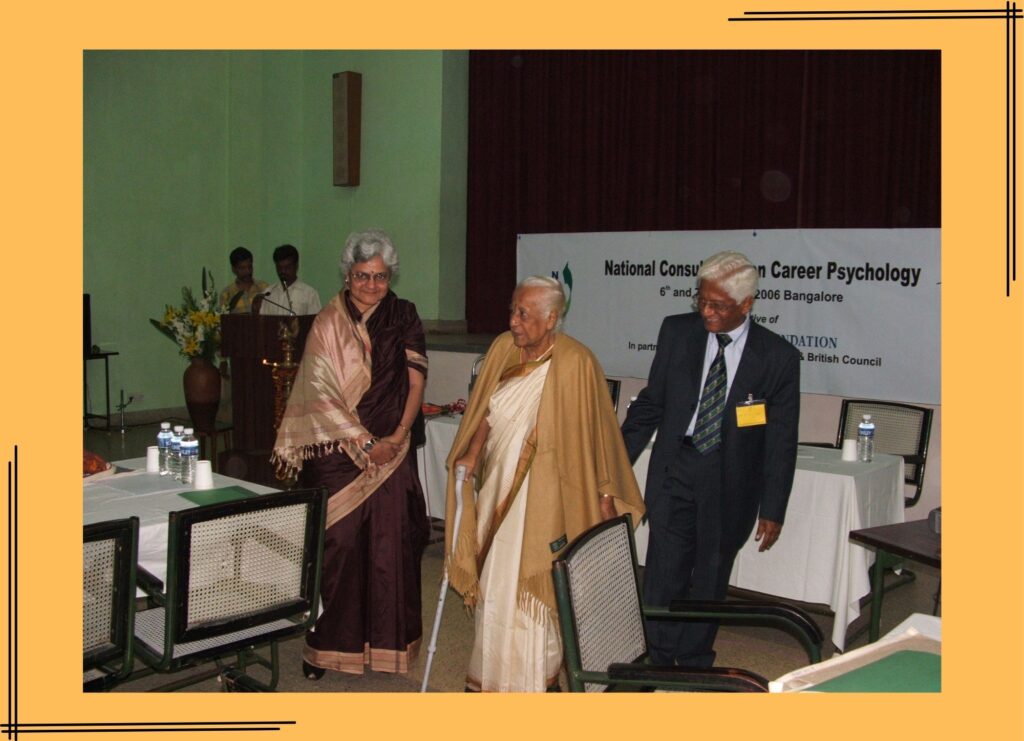
Data from the study was collated and discussed at the first National Conference on Career Psychology organised by The Promise Foundation in Bengaluru, India.
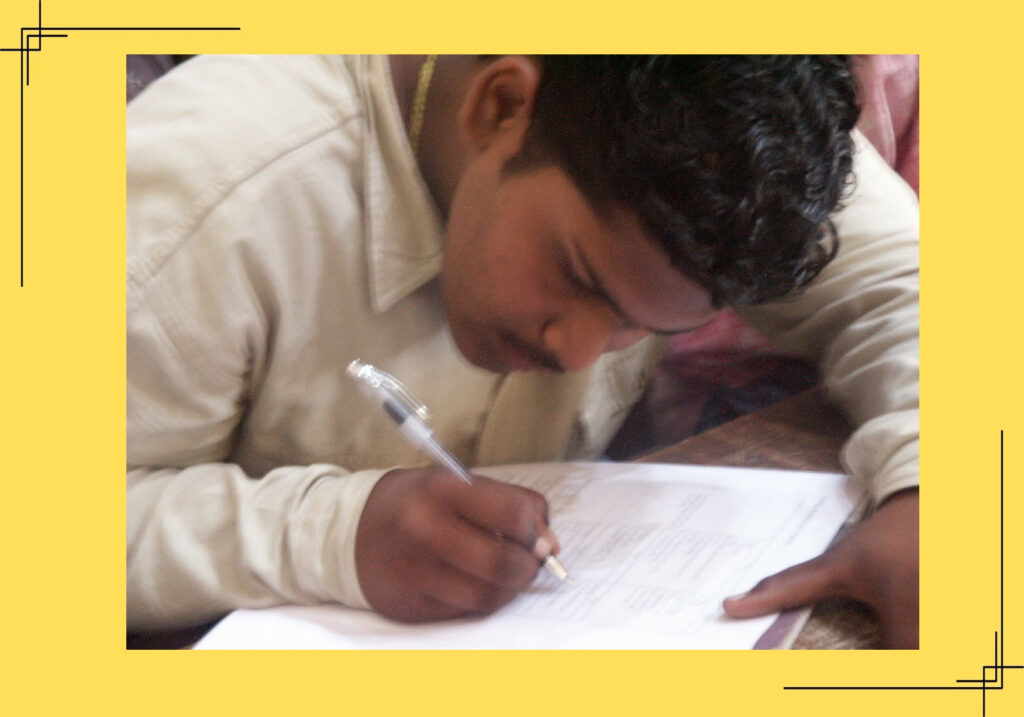
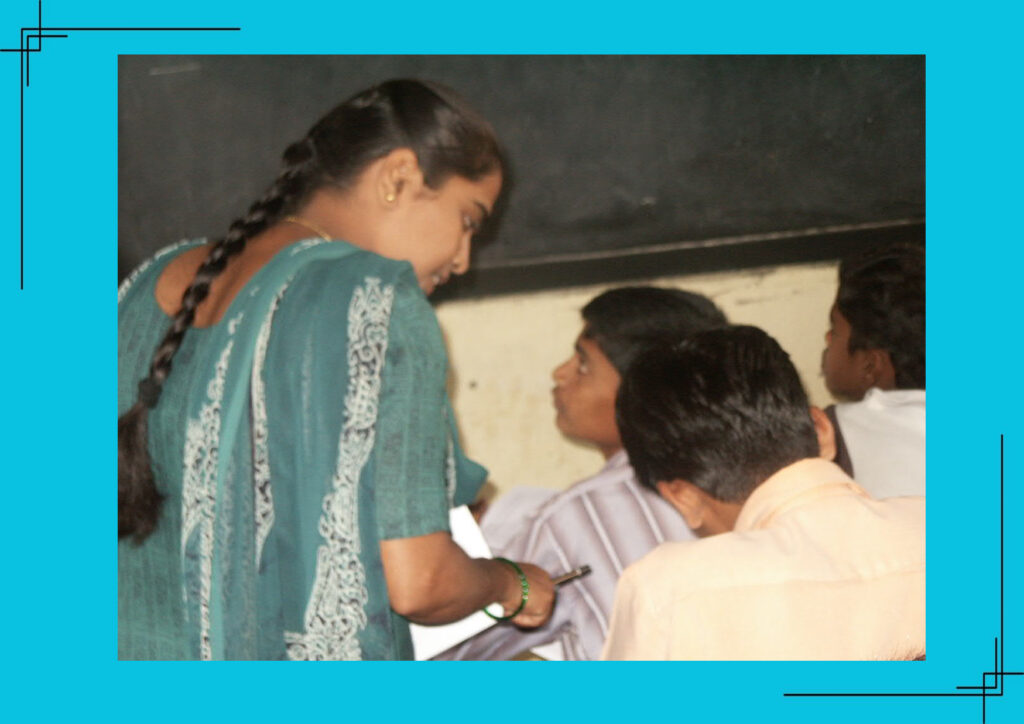
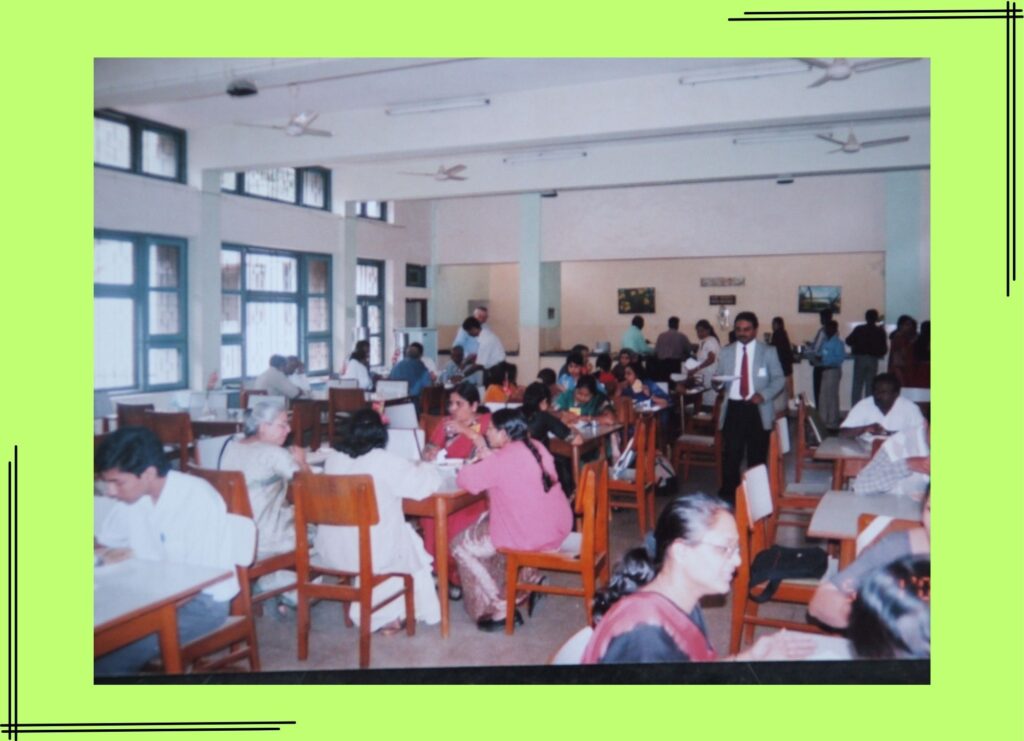
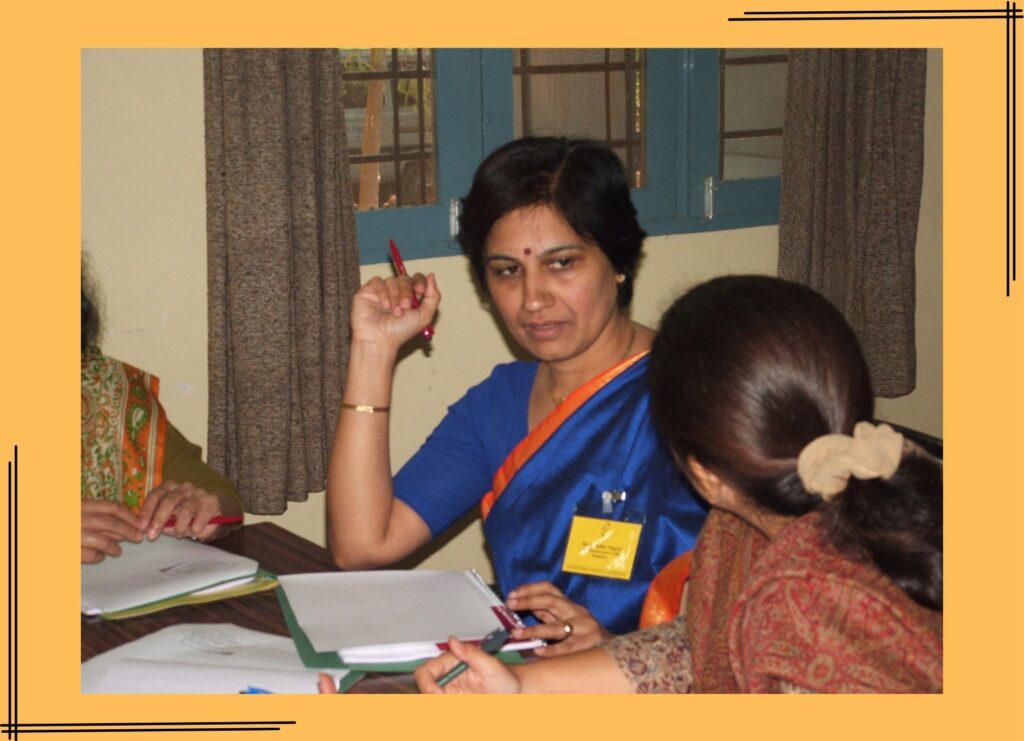
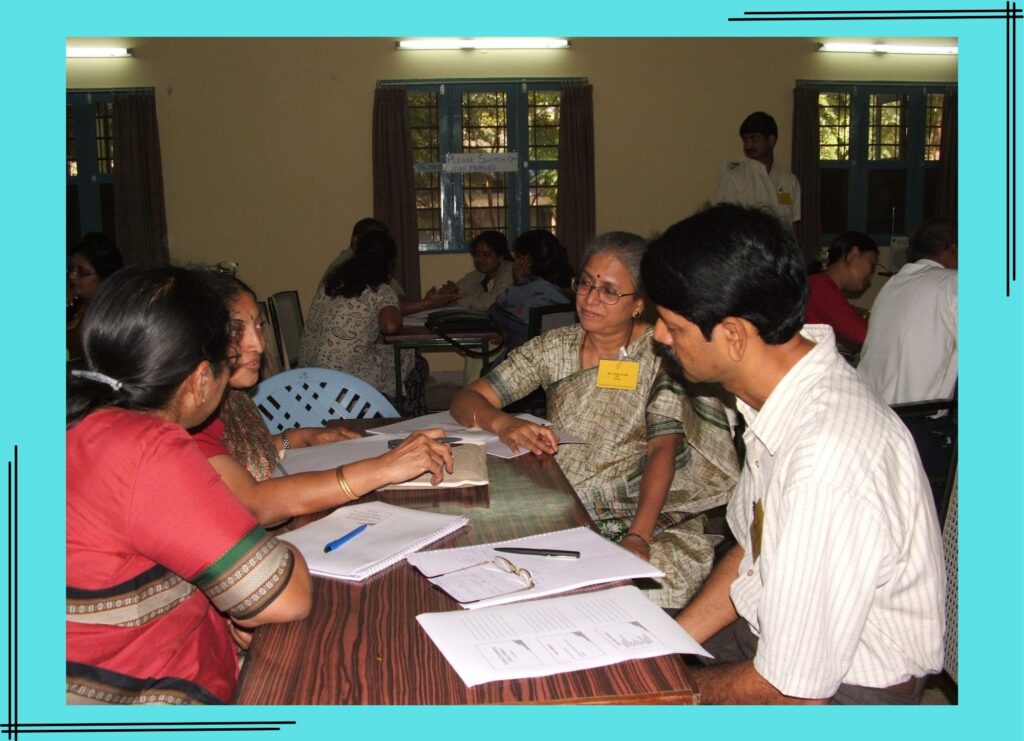
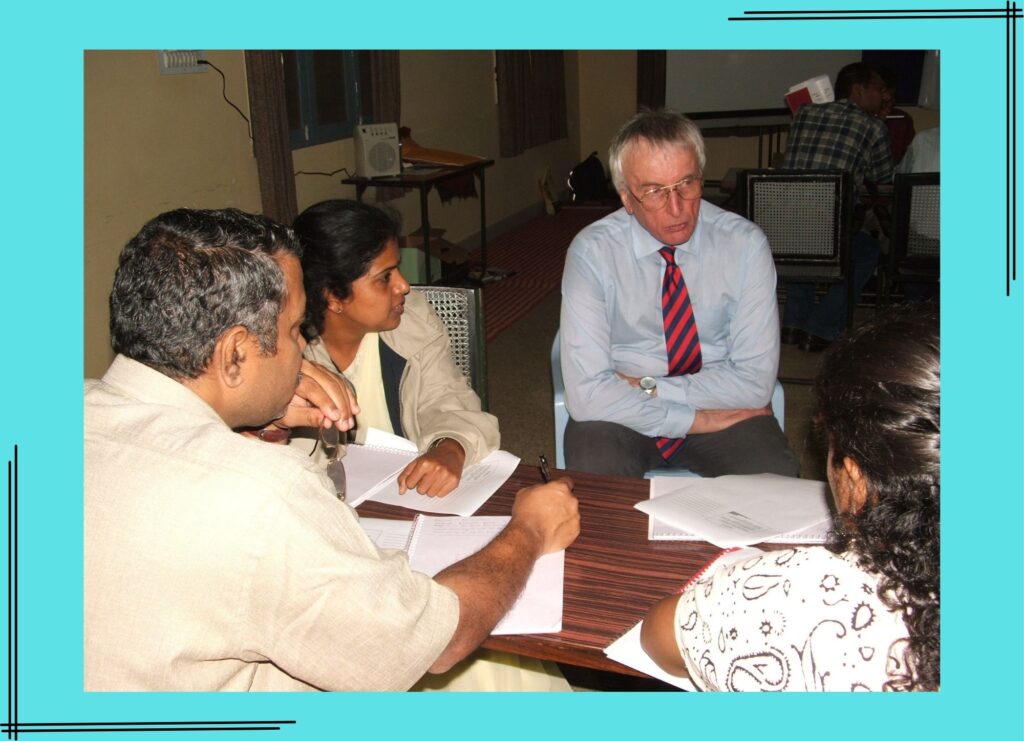
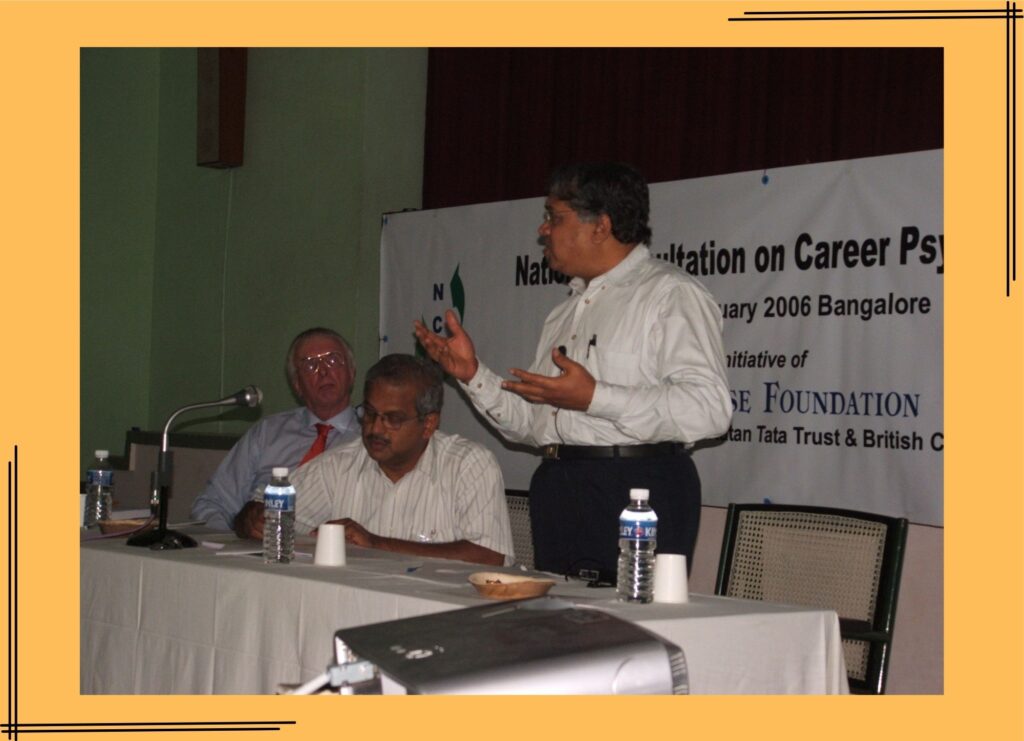
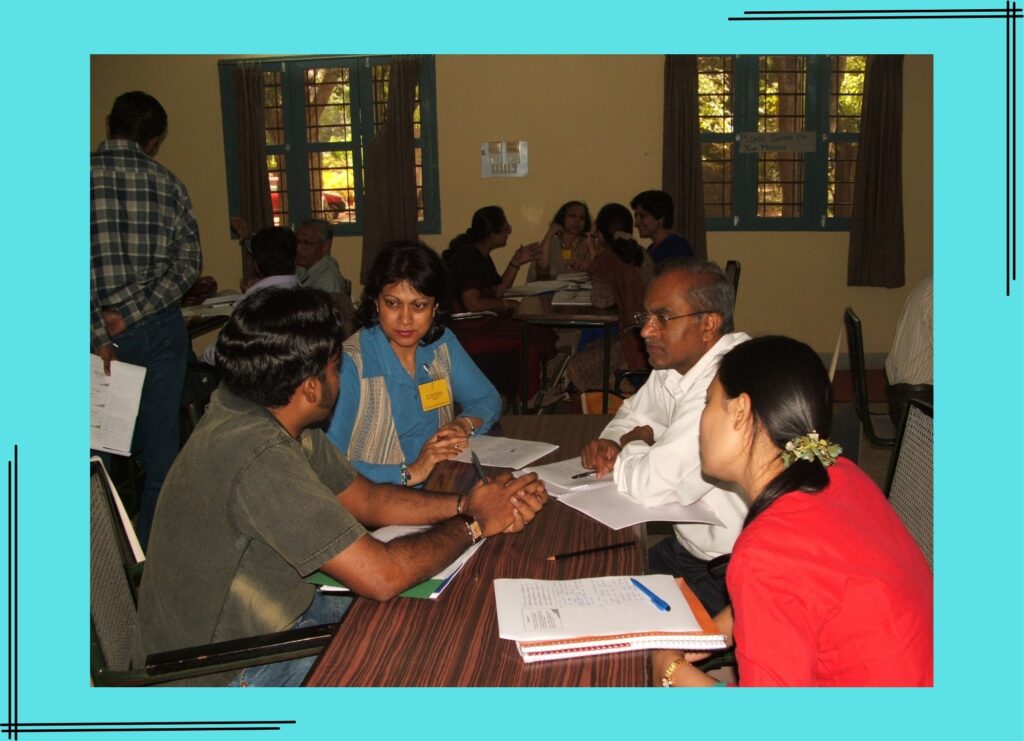
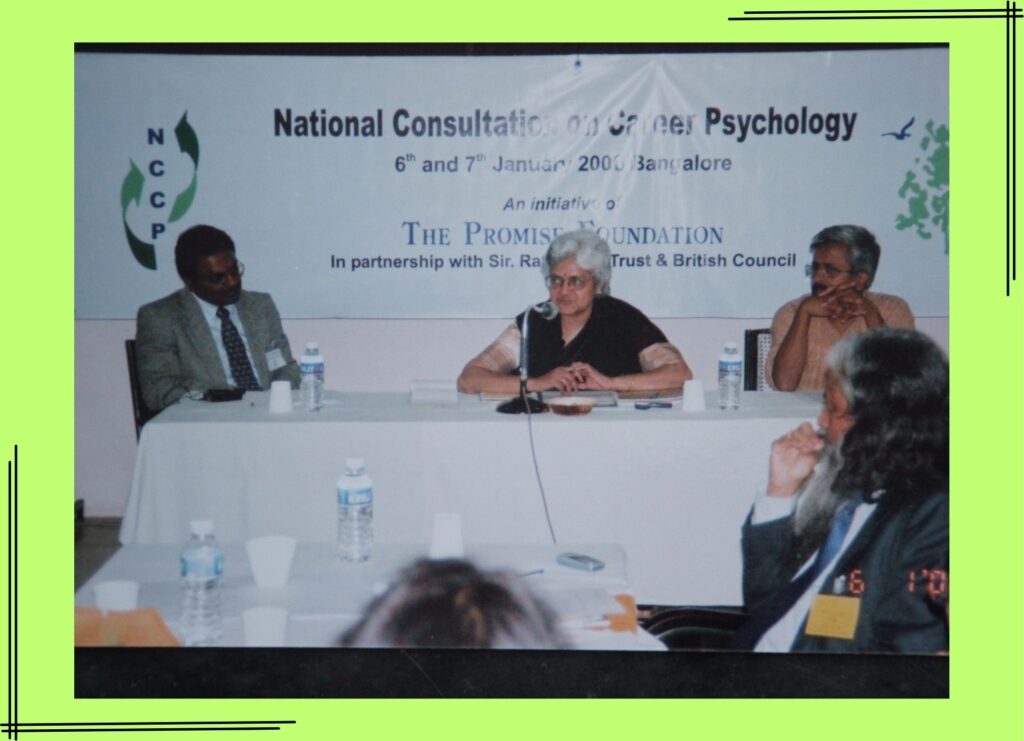
Pictures from our archives show the study in progress in different parts of the wonderfully diverse country. This was perhaps the first ever study on career orientations in India.





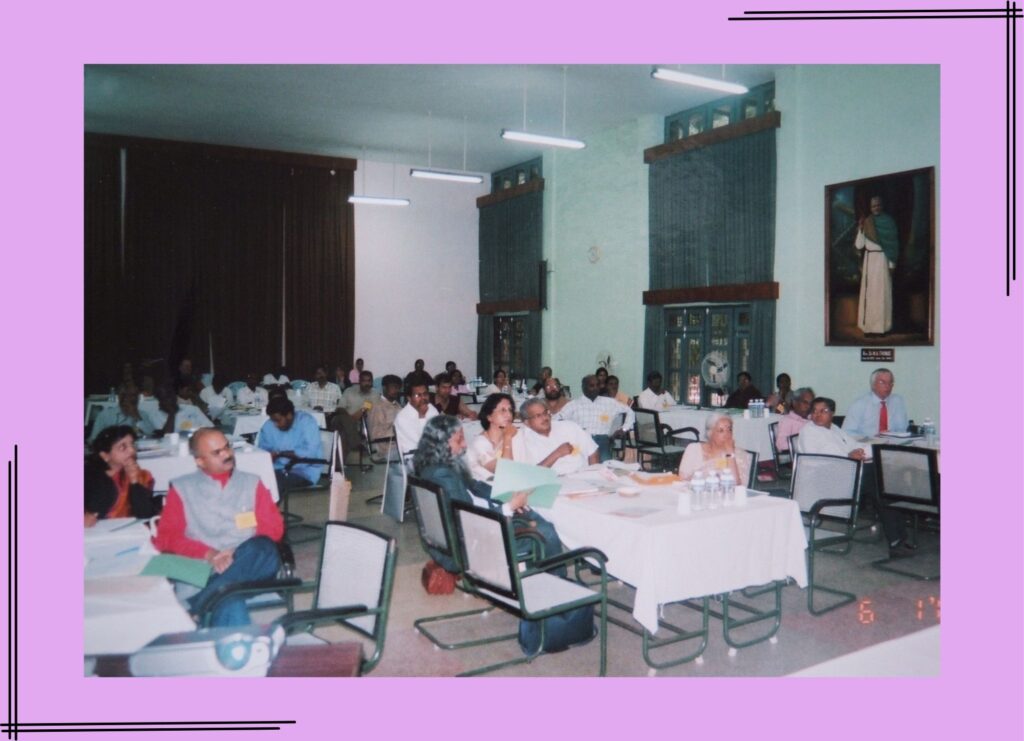
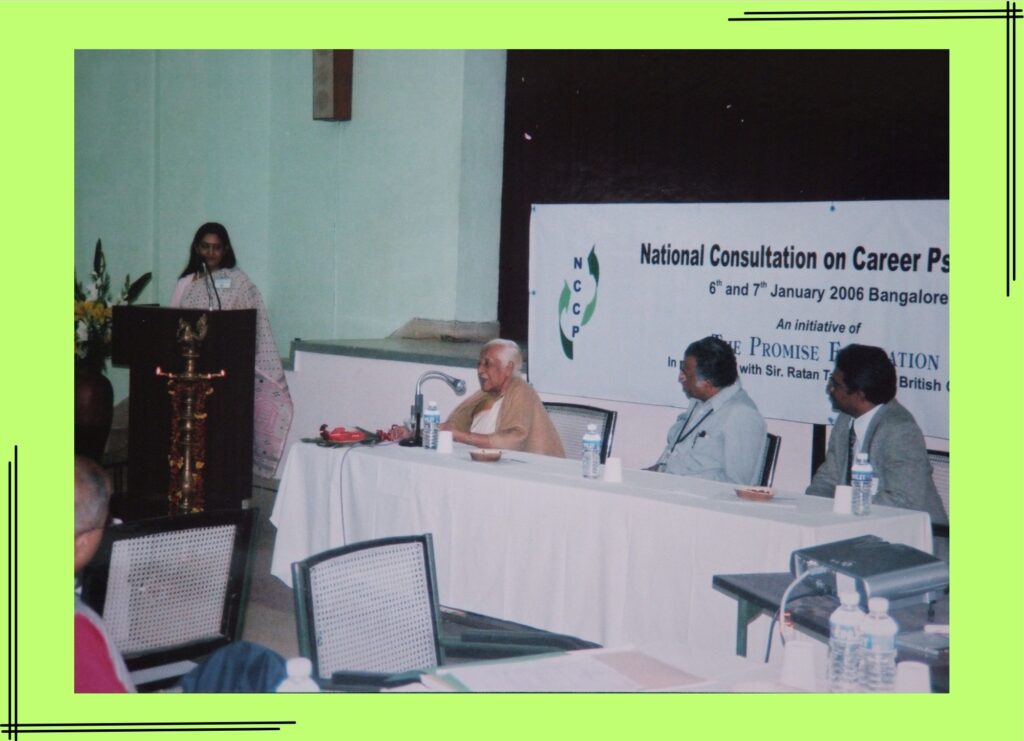
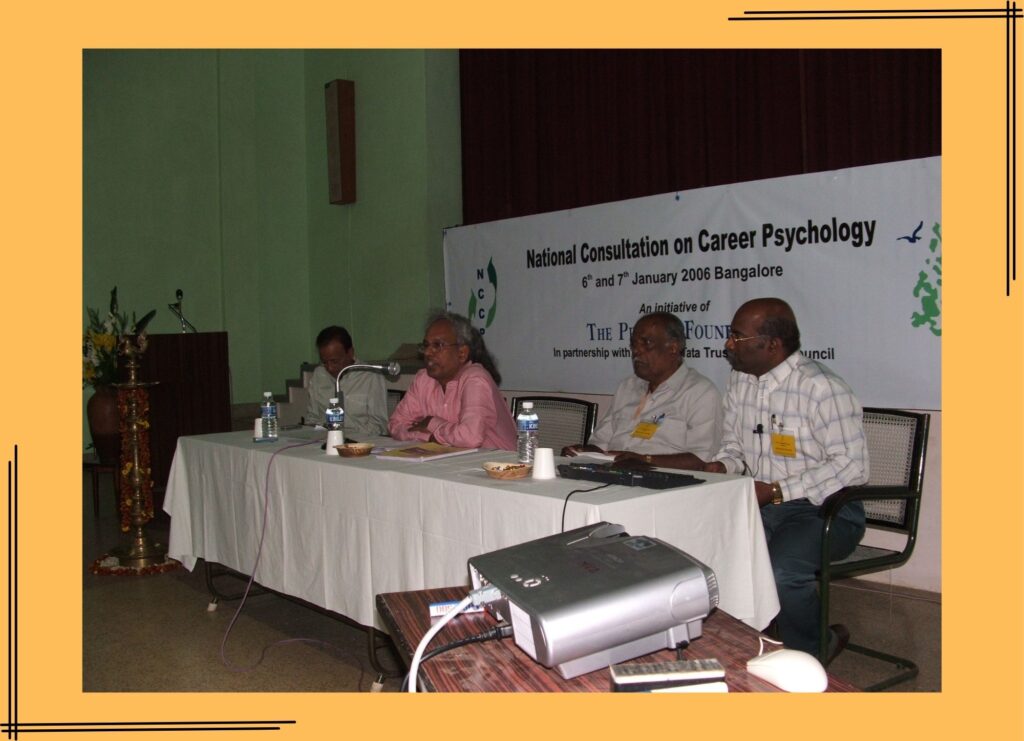
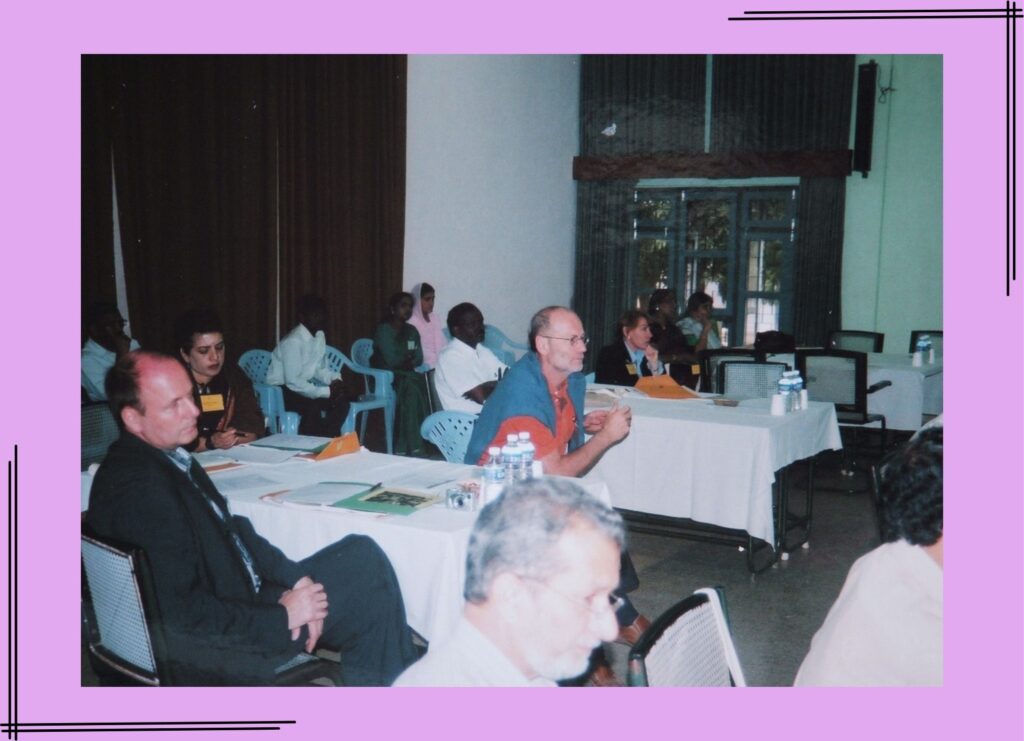
National Consultation on Career Psychology (NCCP)
The National Consultation on Career Psychology (NCCP), held in 2005 in Bangalore by The Promise Foundation, was a landmark event in India aimed at developing an evidence based contextually relevant framework for career guidance. This consultation brought together a diverse group of stakeholders to analyze findings from the “Work Orientations and Responses to Career Choices – Indian Regional Survey” (WORCC-IRS) and to create a national agenda for career guidance. The consultation was a 2-day, high-level, multidisciplinary event. It was attended by: university professors and researchers, school counsellors, teachers, and principals, government officials (including representatives from NCERT) and representatives from multilateral agencies (International Labour Organisation, UNICEF), youth workers and NGOs.
The WORCC-IRS findings were extensively discussed and the Consultation made the following recommendations
- Culturally Grounded Approaches: Use the WORCC-IRS findings to develop culturally validated teaching-learning material for career education suitable for the Indian context.
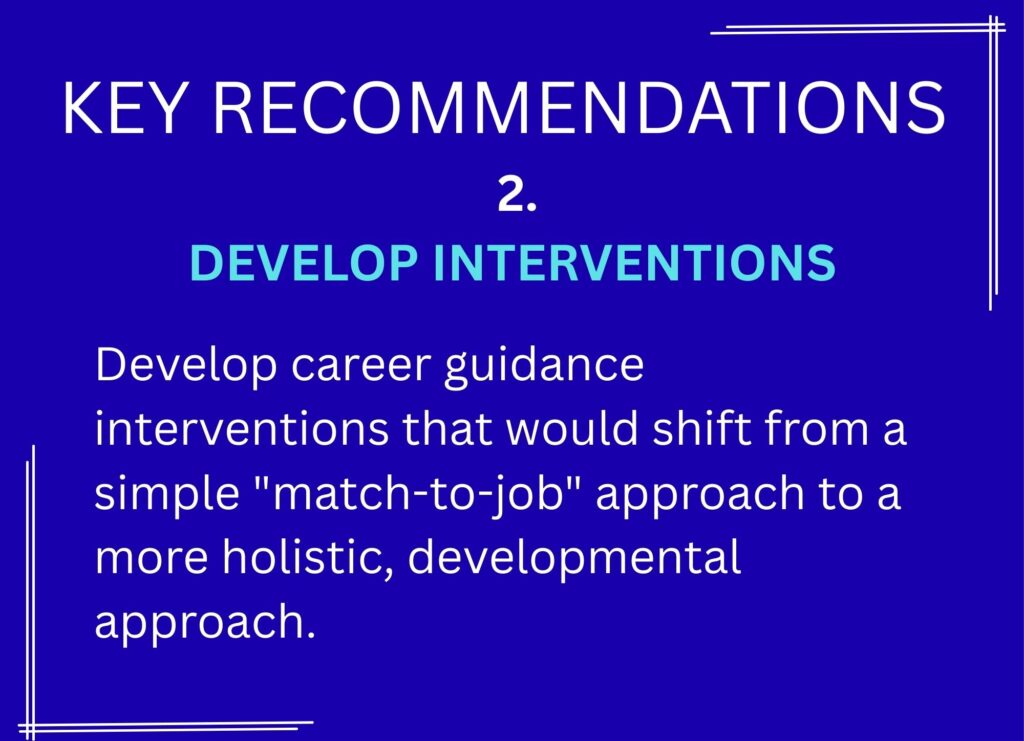
- Develop Interventions: Develop career guidance interventions that would shift from a simple “match-to-job” approach to a more holistic, developmental approach.
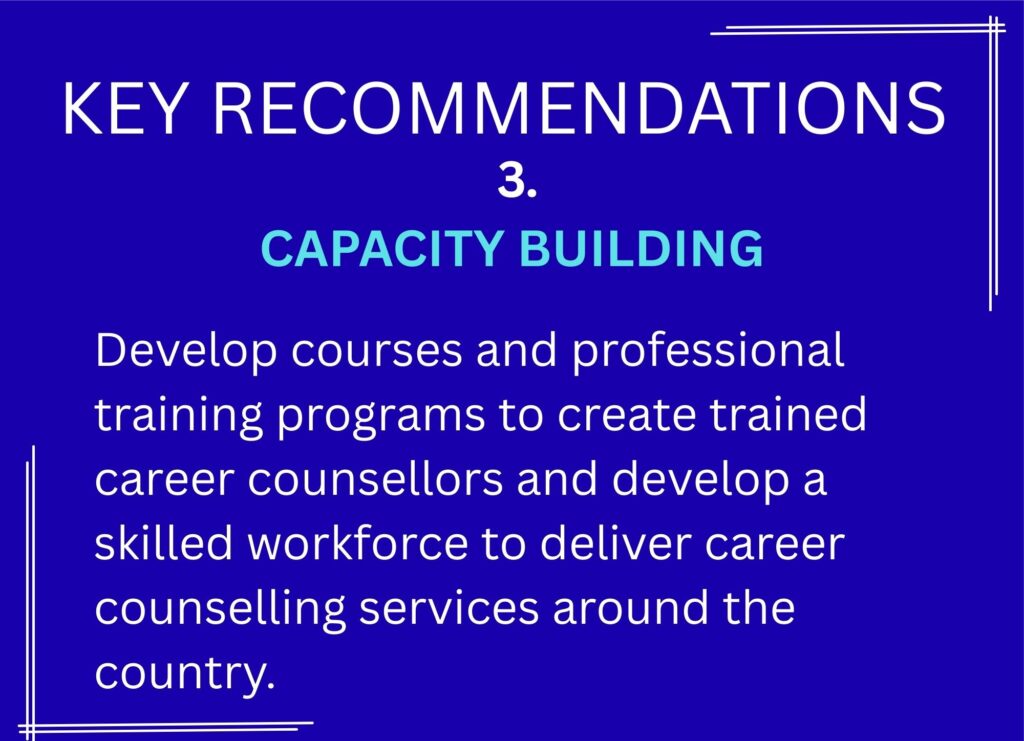
- Capacity Building: Develop courses and professional training programs to create a skilled workforce of trained career counsellors to deliver career counselling services around the country.
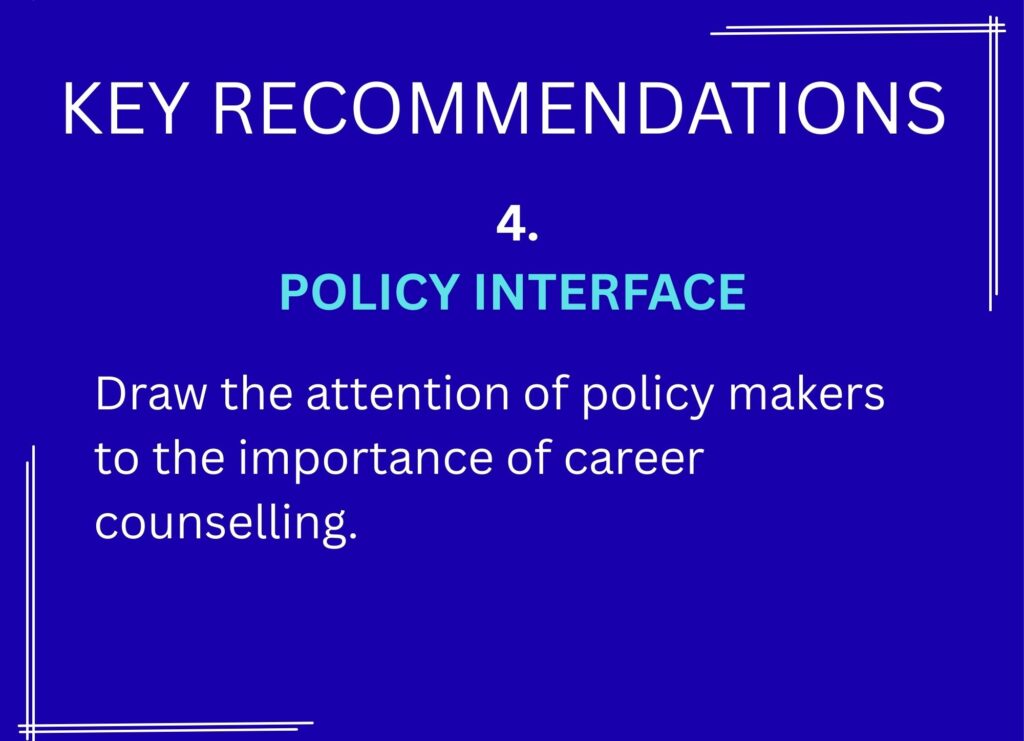
- Policy Interface: Draw the attention of attention of policy makers to the importance of career counselling
Birth of the “Jiva” approach to Career and Livelihood Planning
The recommendations from the NCCP became the foundational blueprint for the Jiva Career and Livelihood Planning Programme. Derived from the Sanskrit word Jiva meaning “life,” the program operates on the core principle that a healthy career is integrally connected to an individual’s life, culture, and social environment. Jiva has grown to become an internationally acclaimed, research-driven career counselling system tailored to the Indian and developing world context.
Please click here to go to the Jiva website for a complete overview of the programme:
www.jivacareer.org
Theories and Models
Drawing upon more than 3 decades of experience and research, The Promise Foundation has developed culturally resonant theories and models for career guidance, focusing specifically on non-Western contexts and epistemologies. These models integrate behavioural science with indigenous, context-sensitive research to create evidence-based, preventive interventions with an emphasis on underprivileged children and youth. Our approach emphasizes non-linear development, fostering self-sufficiency, and using action research to address psychological barriers to development.
The themes of our research and model development have included:
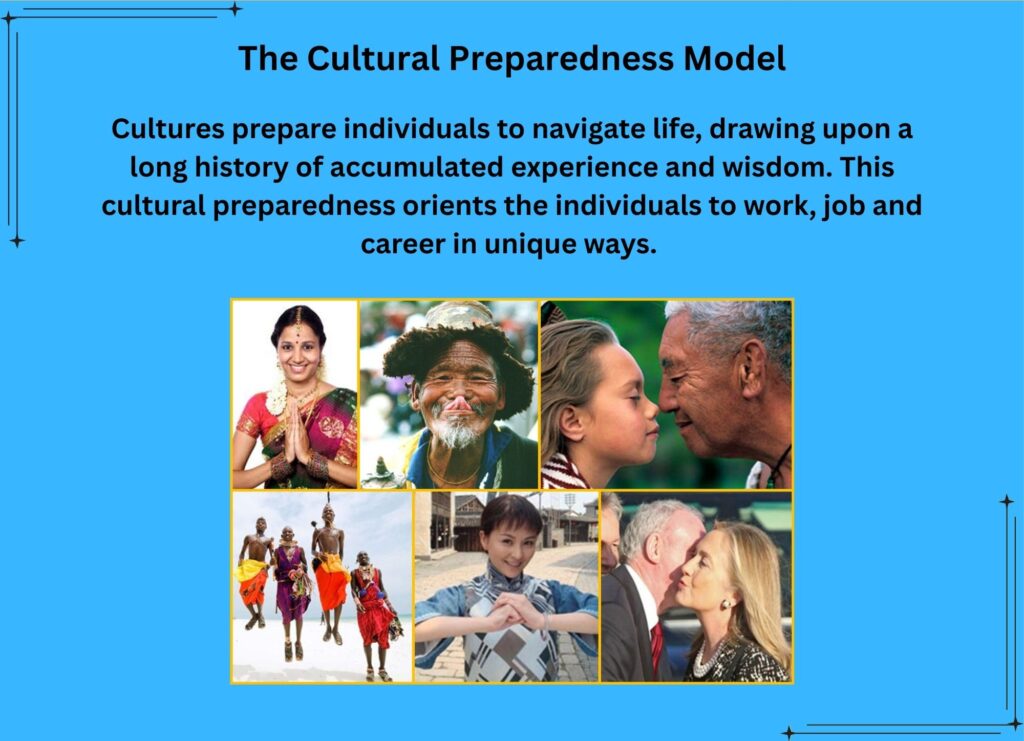
- The Cultural Preparedness Model.
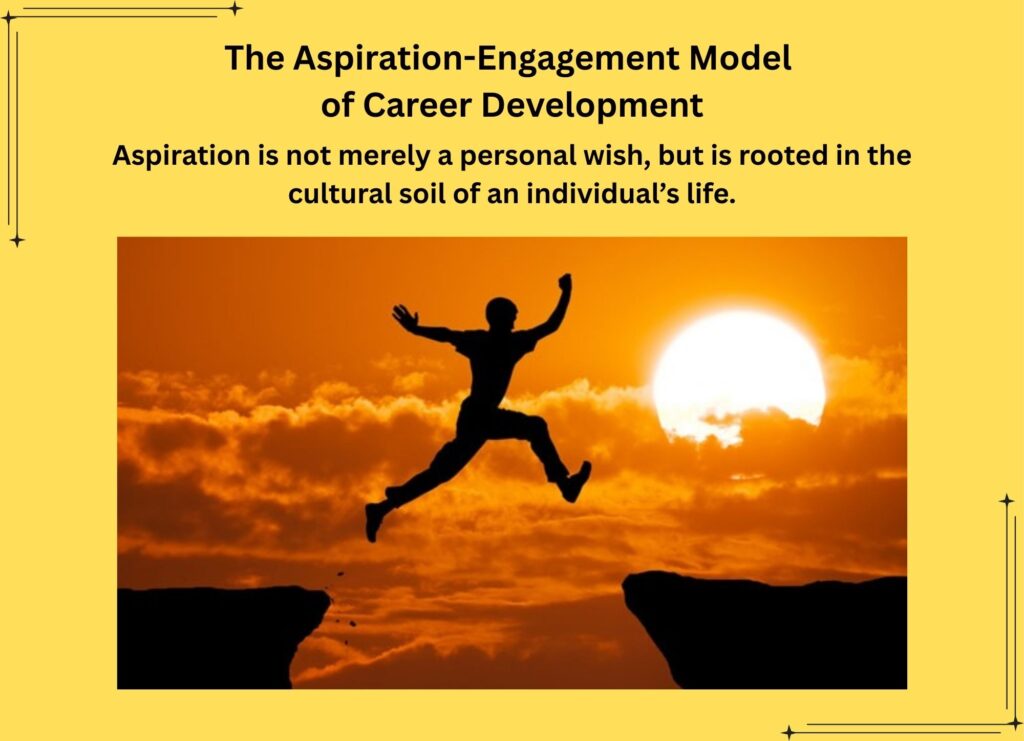
- The Aspiration-Engagement Model.
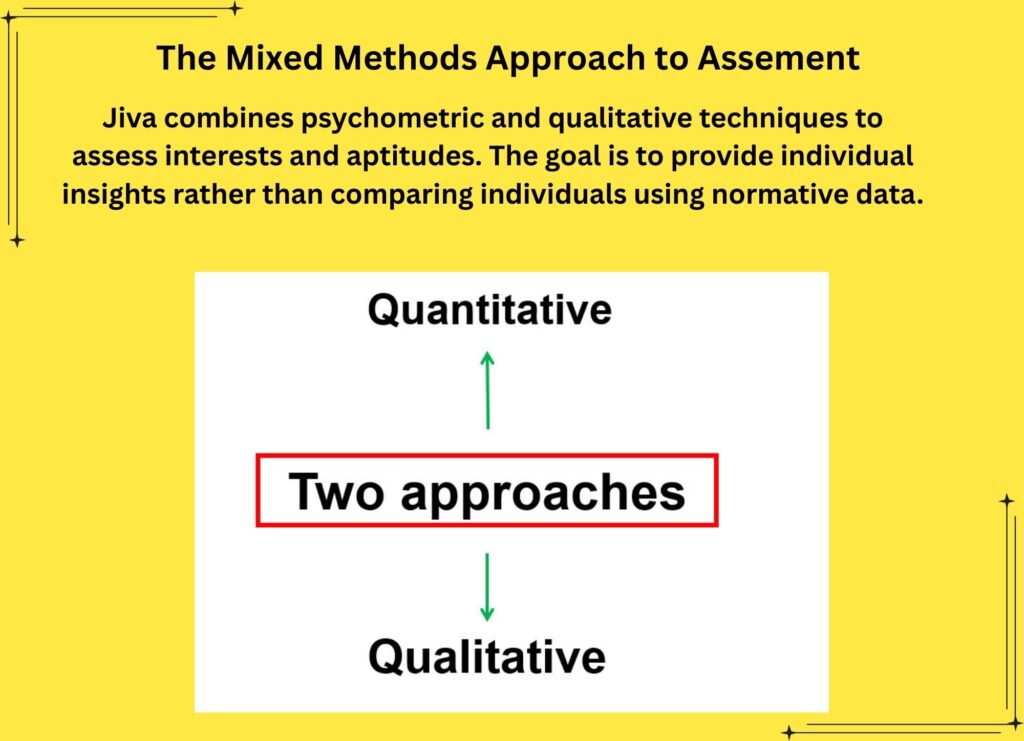
- Mixed Methods Approaches to Assessment.
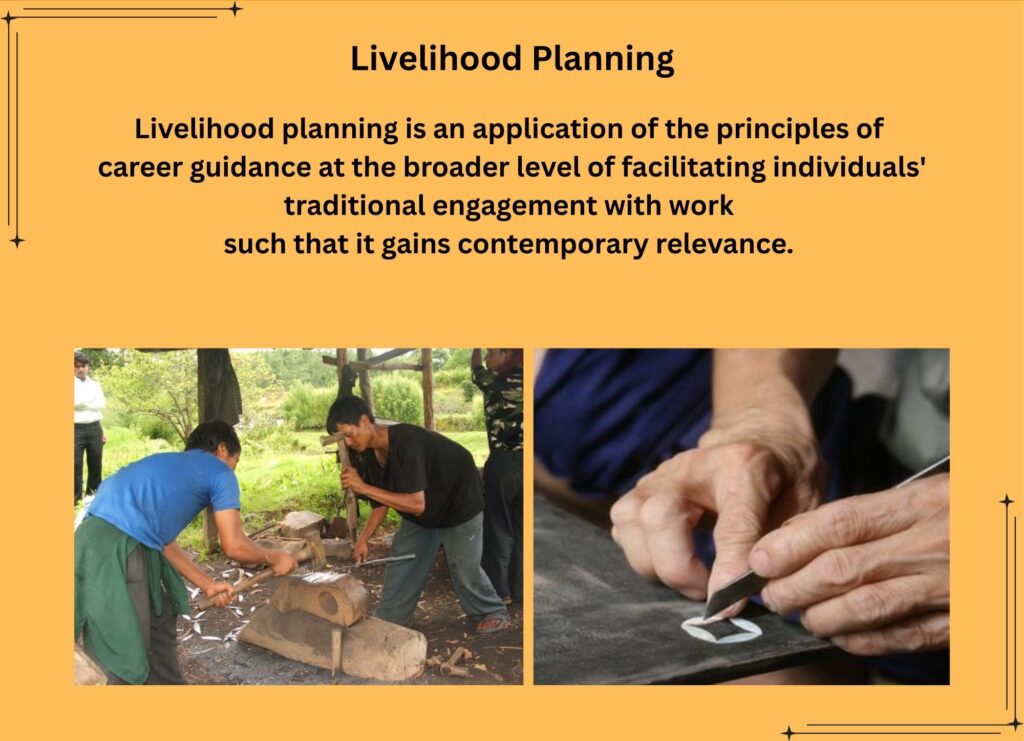
- Livelihood Planning.
- Eastern Approaches to Life Planning.
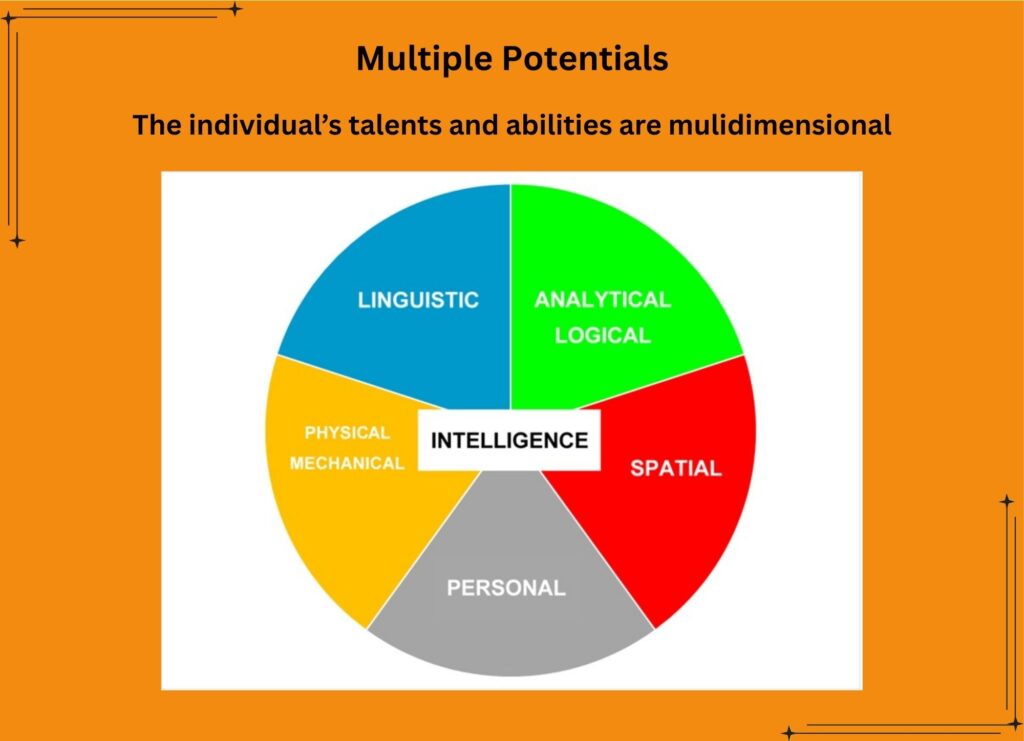
- The Multiple Potentials Approach to Career Development.
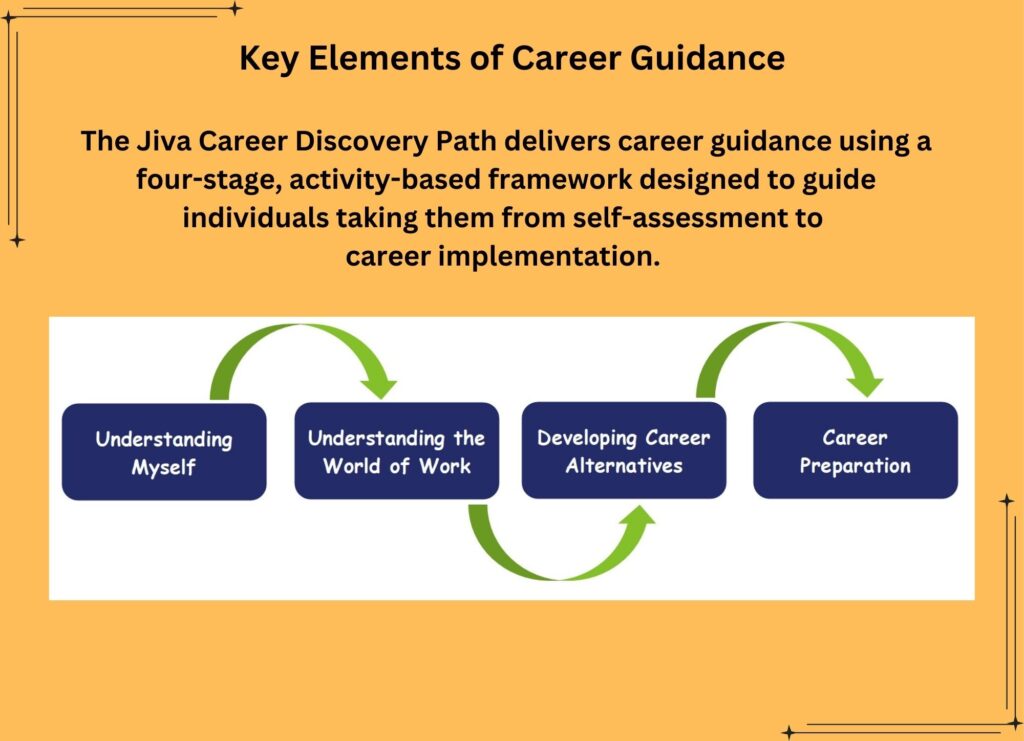
- The Key Elements of Career Guidance.
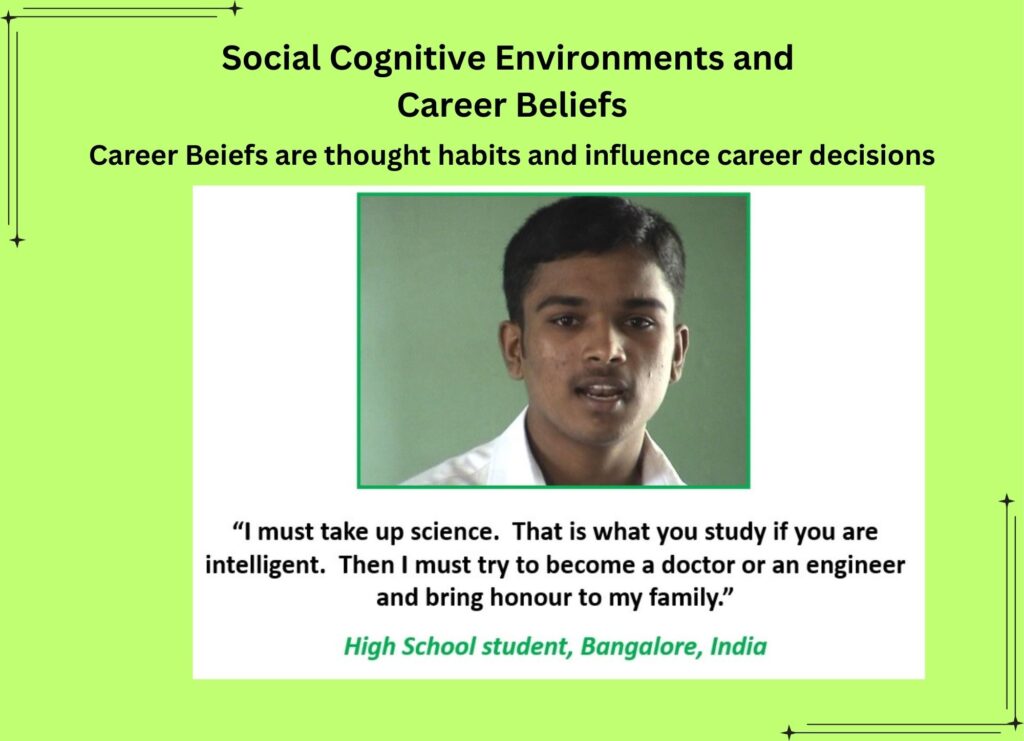
- Social Cognitive Environments and Career Beliefs.
Our theorising takes an action-research approach and focuses on developing applications and interventions based on the evidence bases that we develop.
PLEASE CLICK ON EACH THEME FOR PAPERS, RESOURCE MATERIAL AND FURTHER INFORMATION.


Tools and Teaching-Learning Material
An overarching objective of The Promise Foundation, is to apply its research to develop culturally resonant tools, techniques and material for career guidance. These materials are designed to be, student-led and activity-based, moving away from traditional lecture-based career guidance. The Jiva Career Resource Kit comprises the following teaching-learning material:
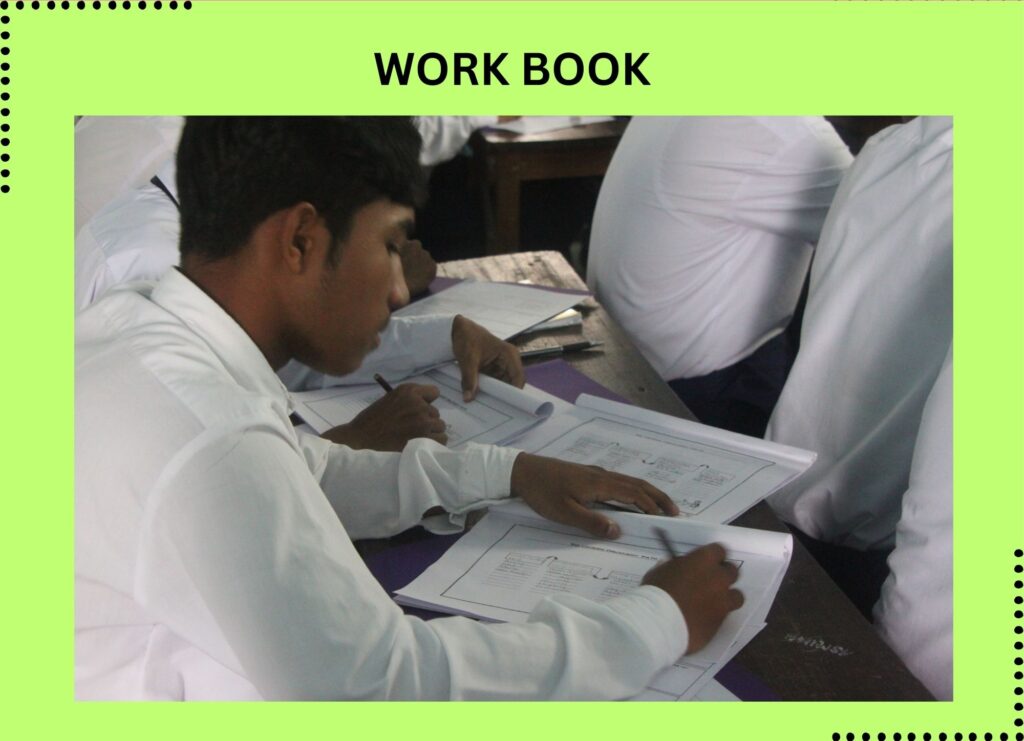
- Jiva Workbook: A personal workbook where students record their learnings and insights from the workshop activities.
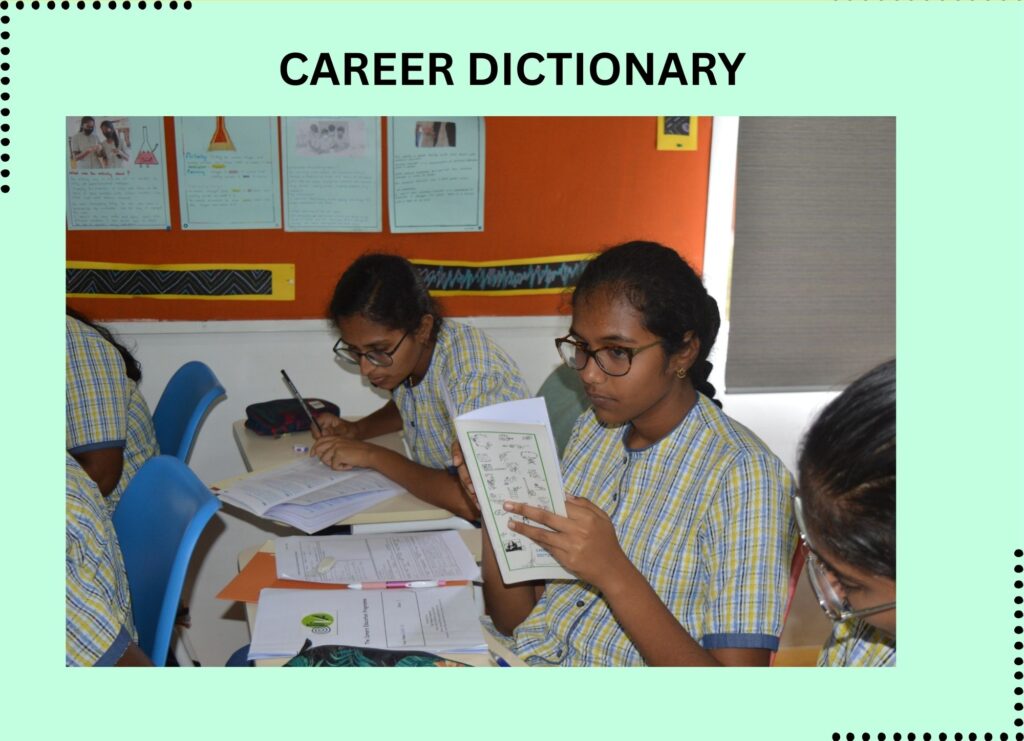
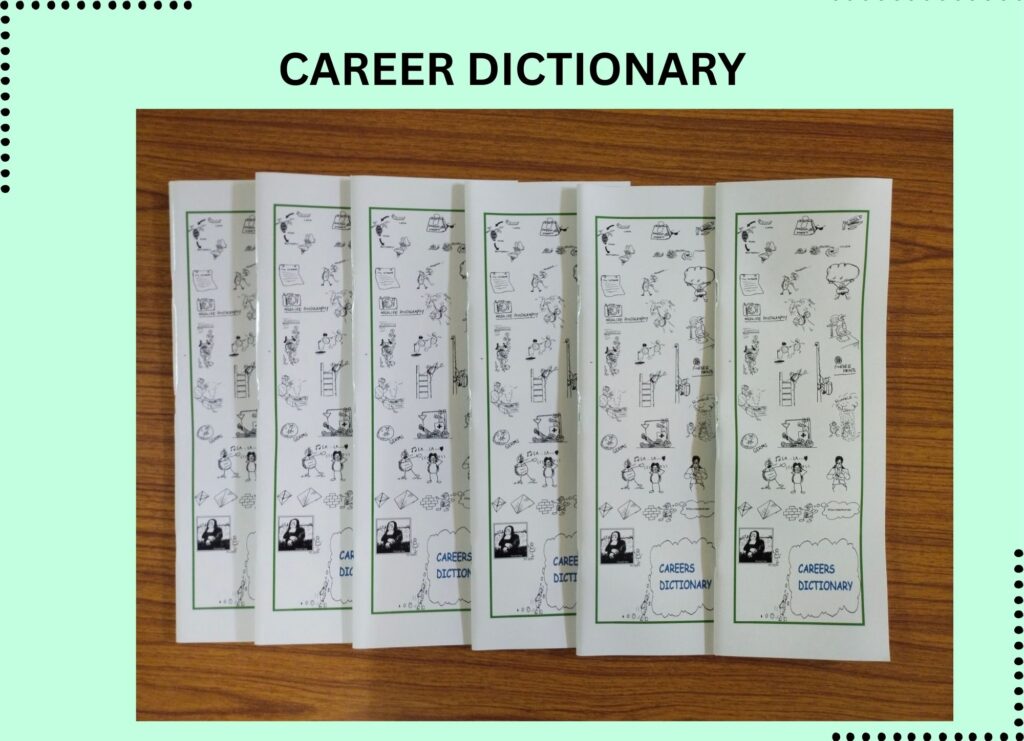
- Jiva Career Dictionary: Attractive booklets providing brief, accessible definitions of numerous careers.
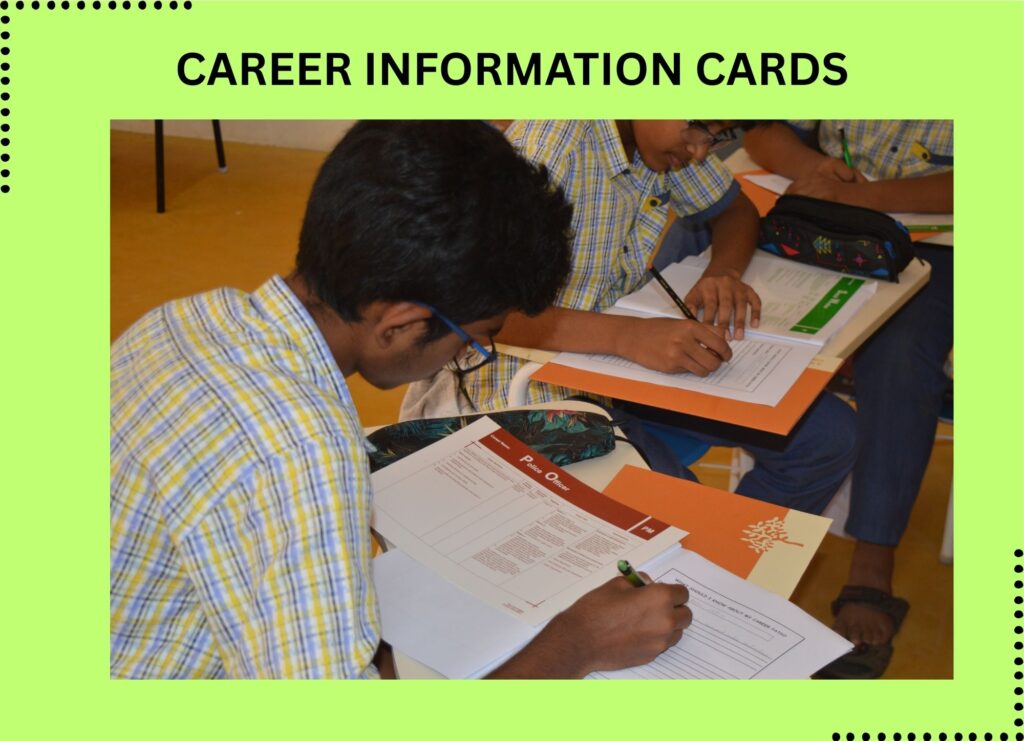
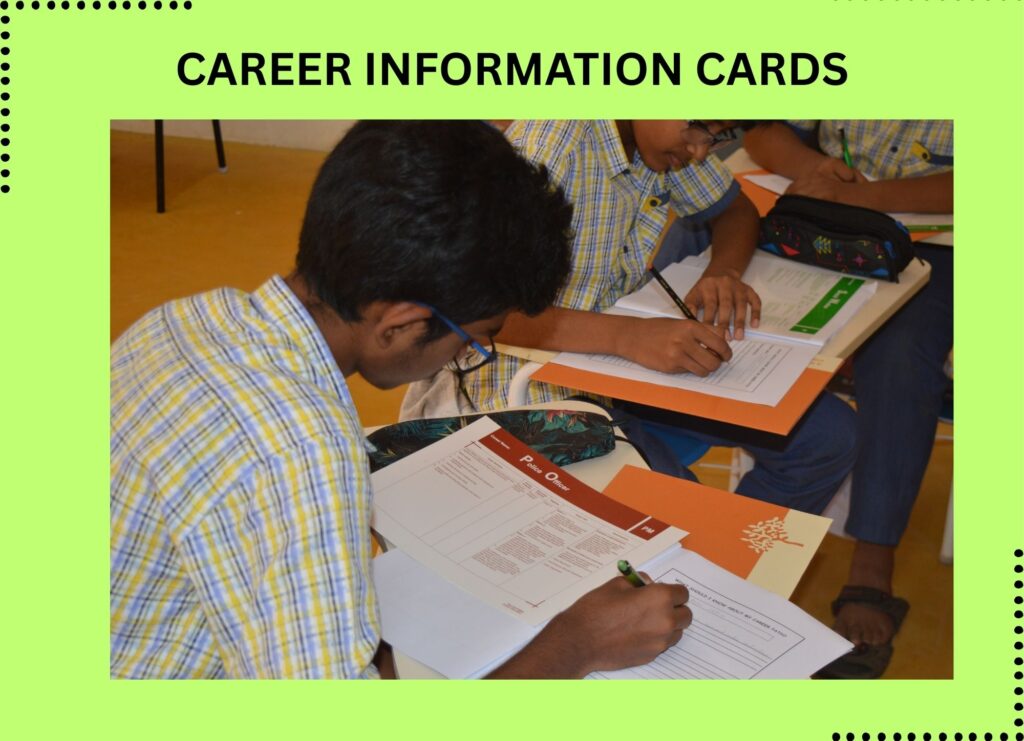
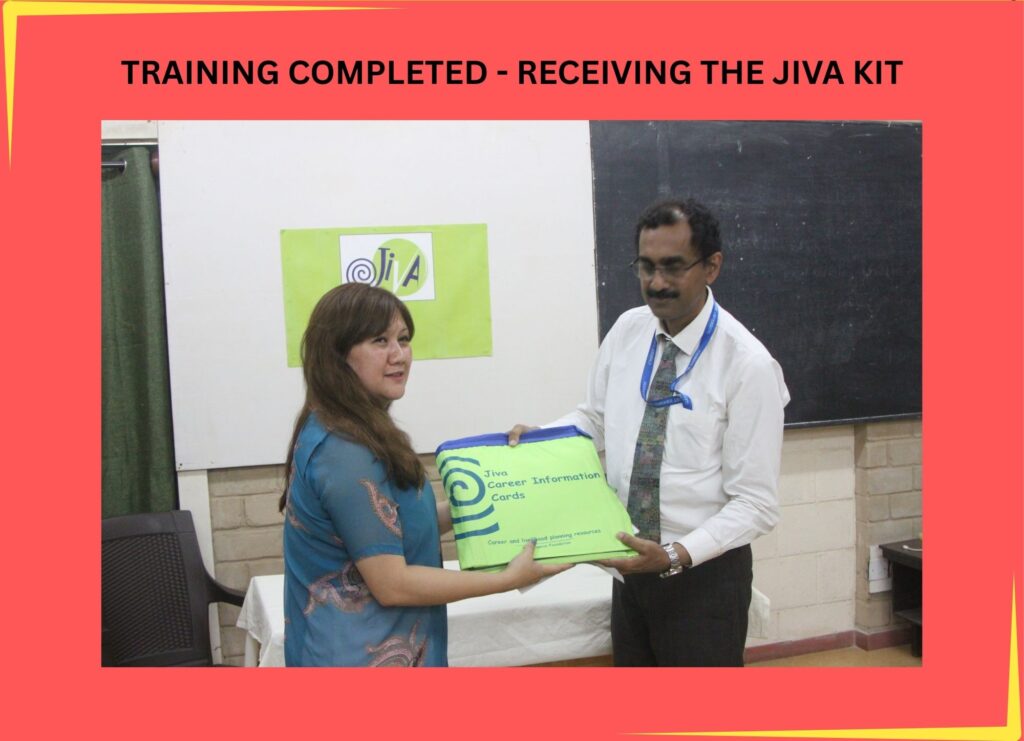
- Career Information Cards: Should a student wish to learn about a career in greater detail the Jiva Career Information Cards could be used. Each card carries easy to understand information about career paths, potentials required, specialisations, qualifications, eligibility criteria and jobs possible within each career.
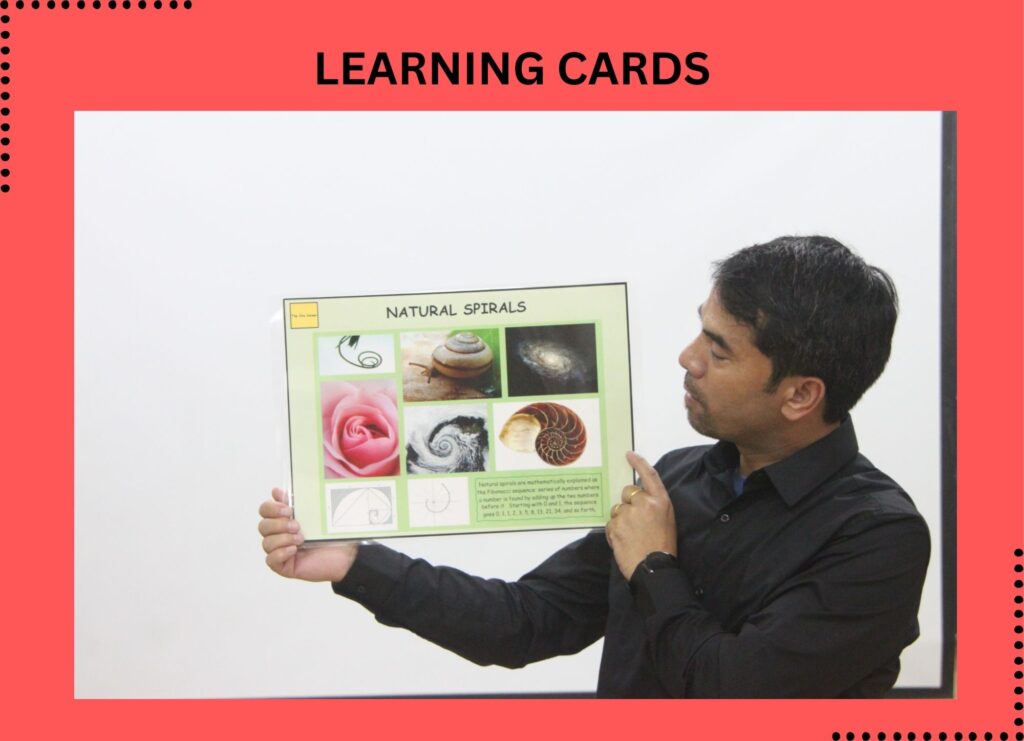
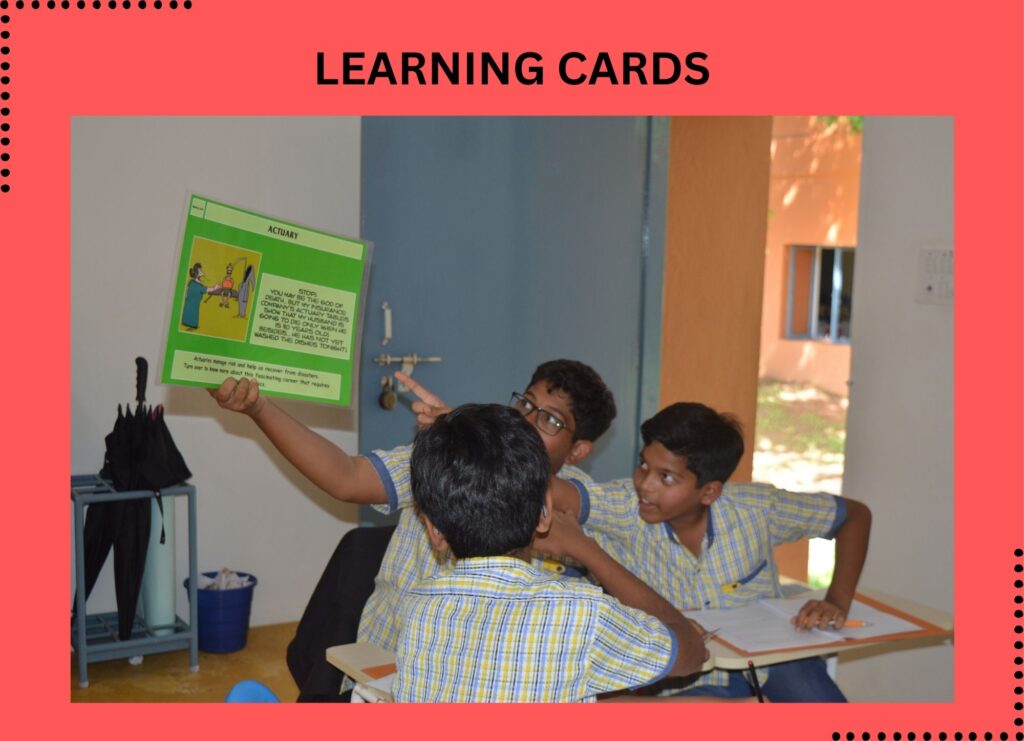
- Learning Cards: Colourful cards used to stimulate group discussion and peer learning during workshops, focusing on career values and self-assessment.
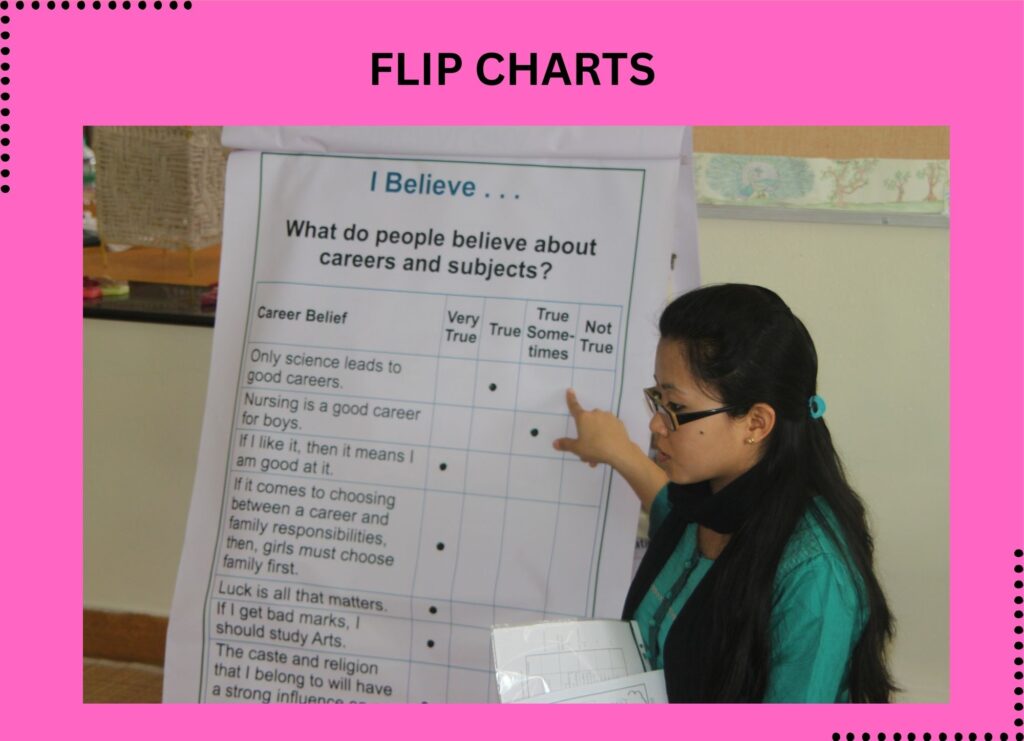
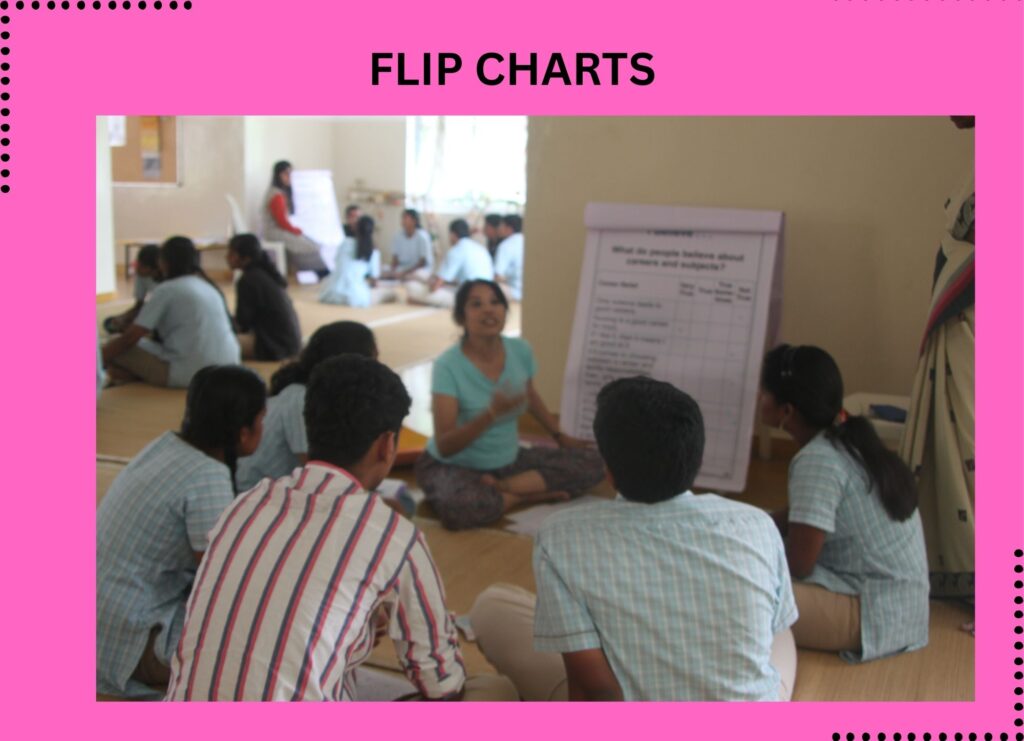
- Flip Charts: Large visual aids used by counselors to conduct activities in classroom settings (30–40 students).
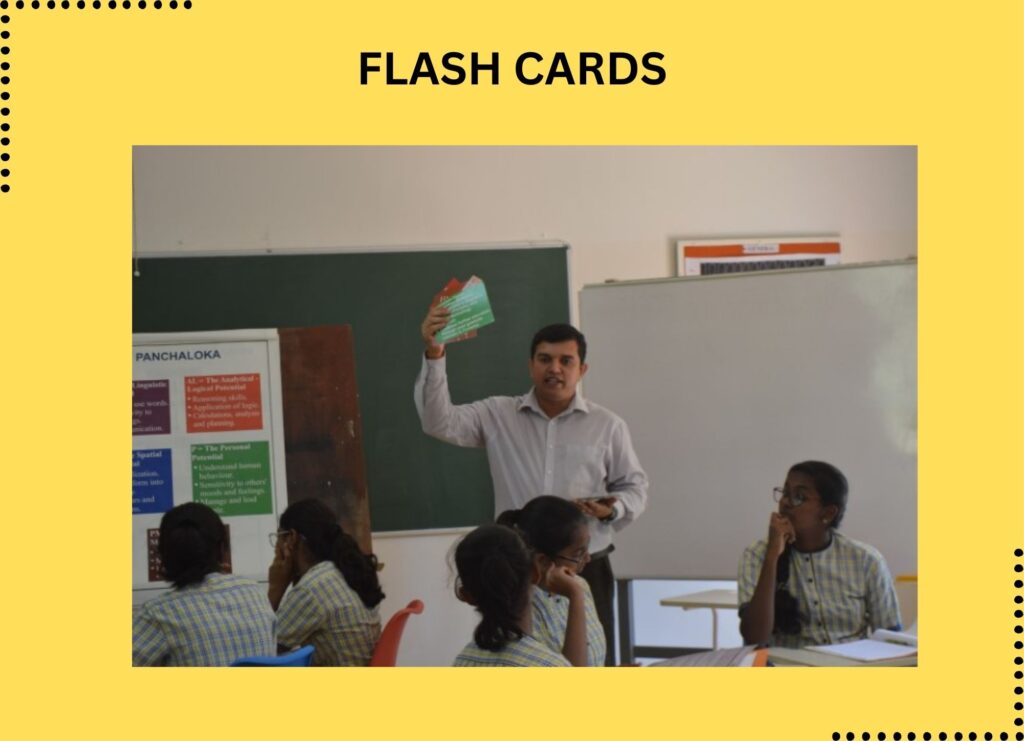
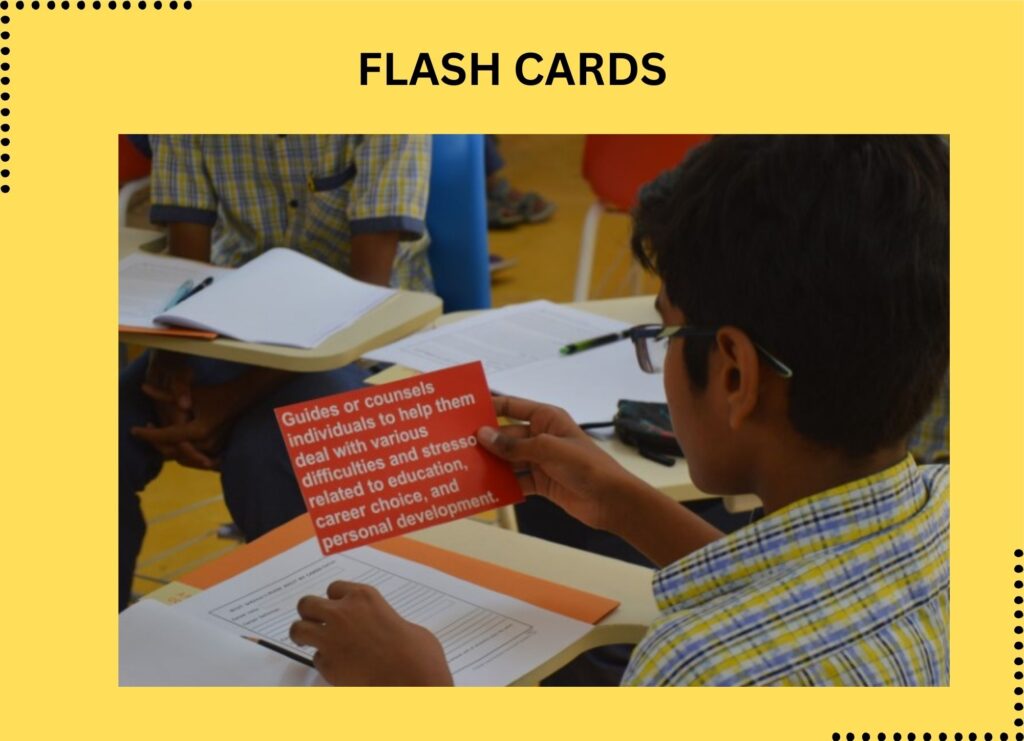
- Flashcards: Gaming-based cards used to teach concepts, such as the links between education and career.
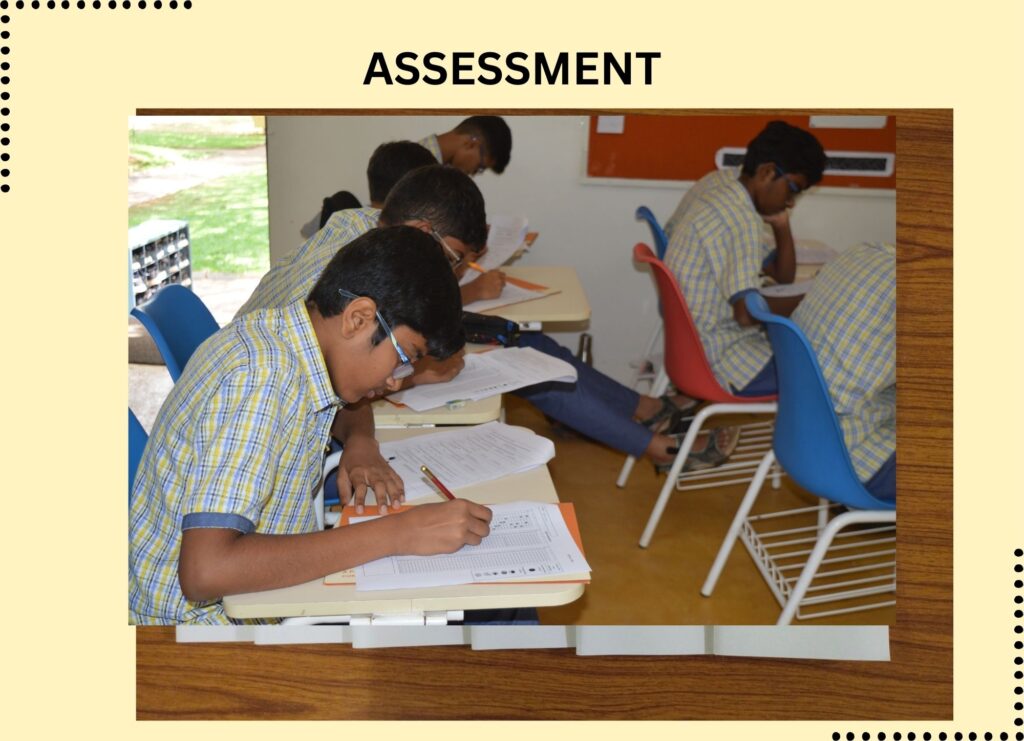
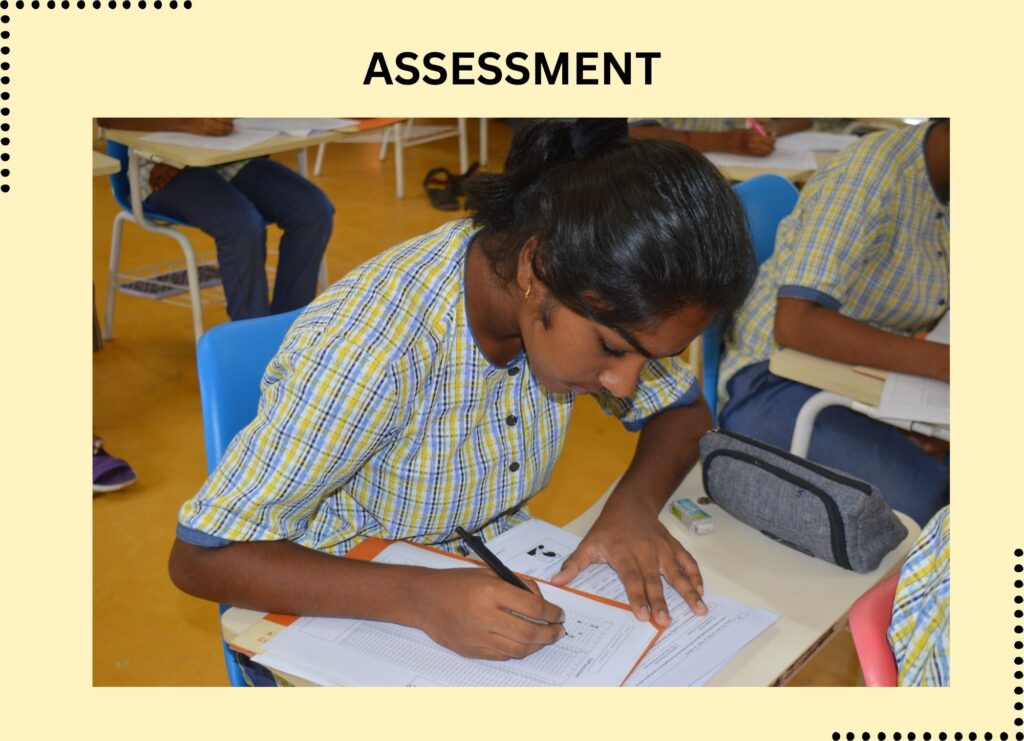
- Comprehensive Student Information Protocol (CSIP): A standardized, psychometric instrument specifically normed on Indian students to assess interests and aptitudes.
CLICK HERE FOR FURTHER INFORMATION ABOUT THE JIVA CAREER RESOURCE KIT.
Capacity Building: Courses and Trainings
Certificate Course:
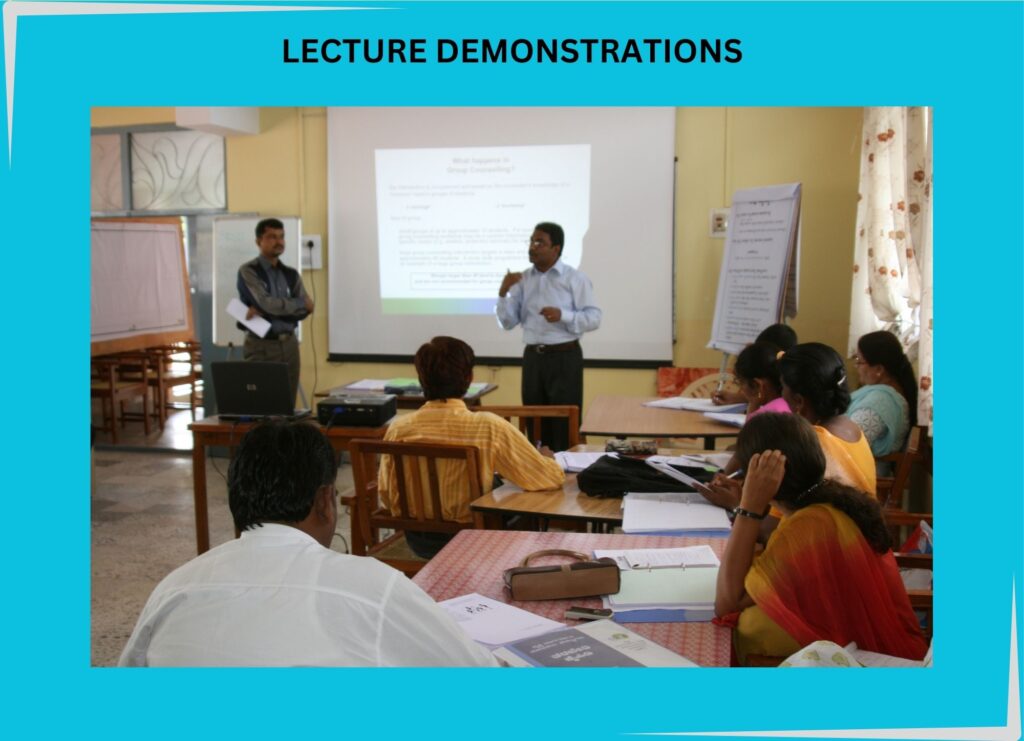
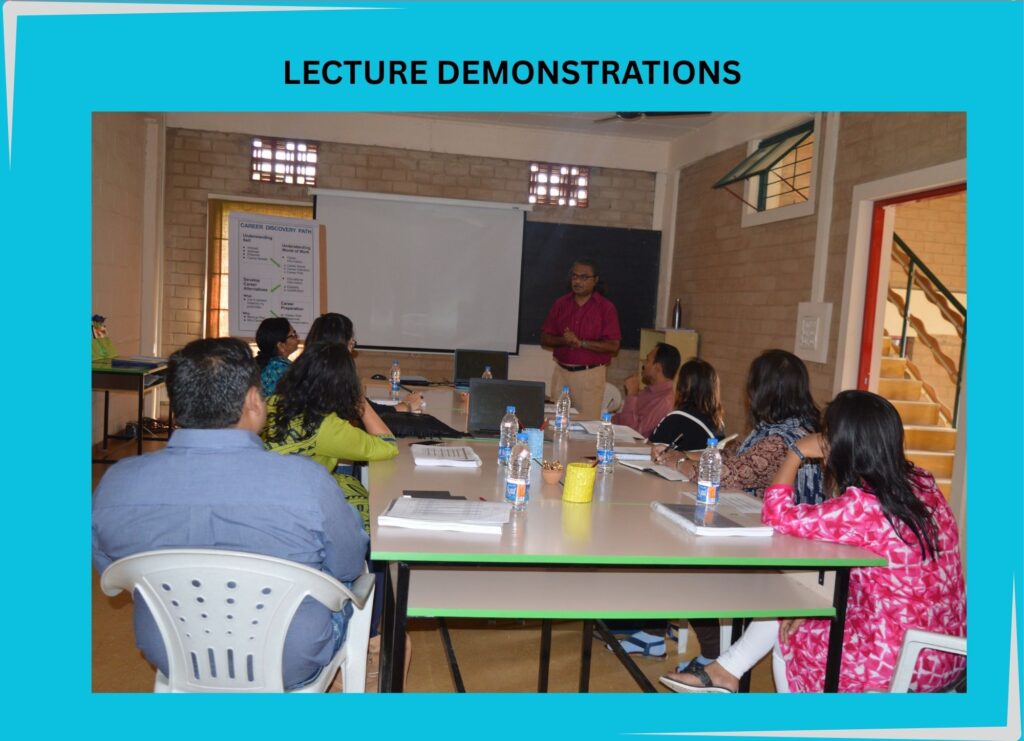
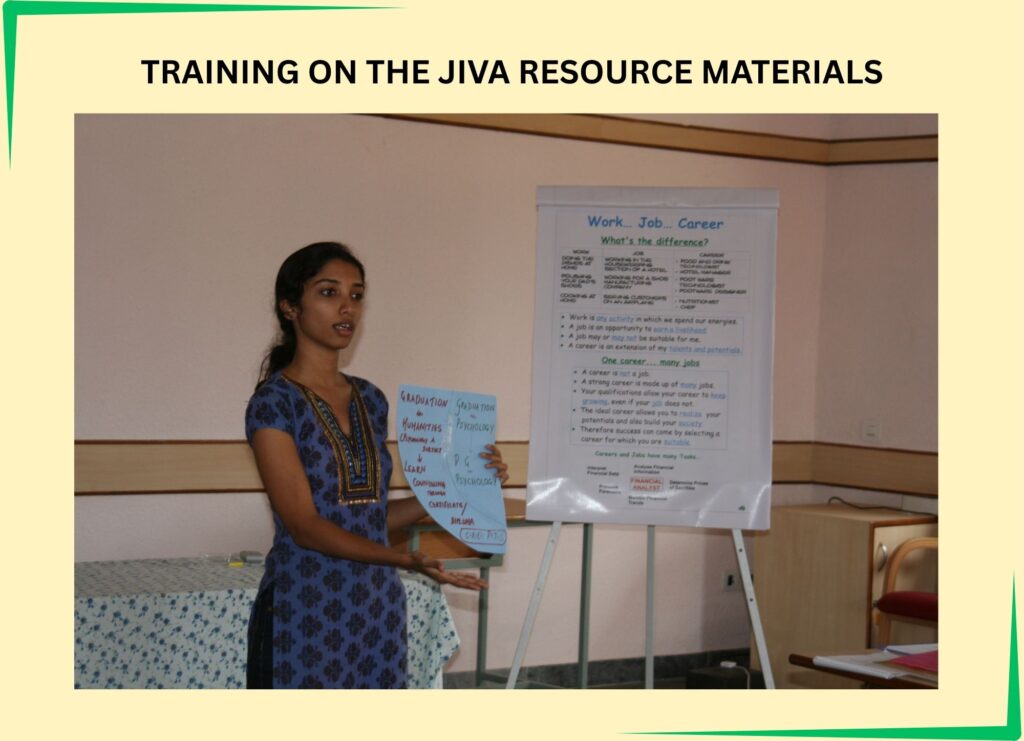
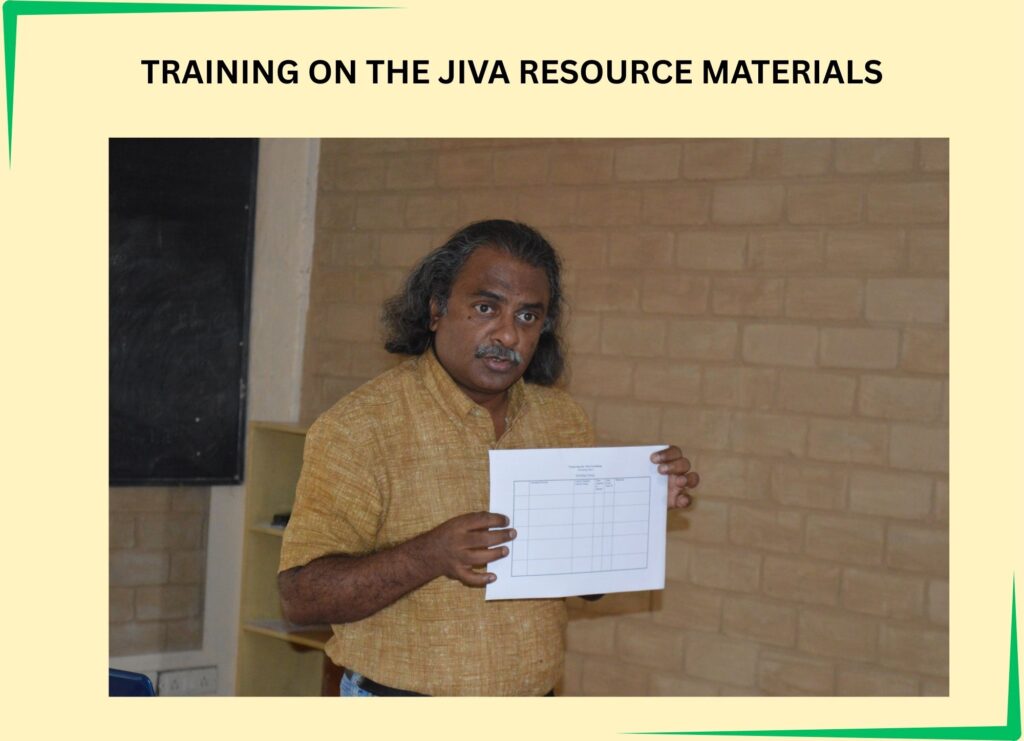
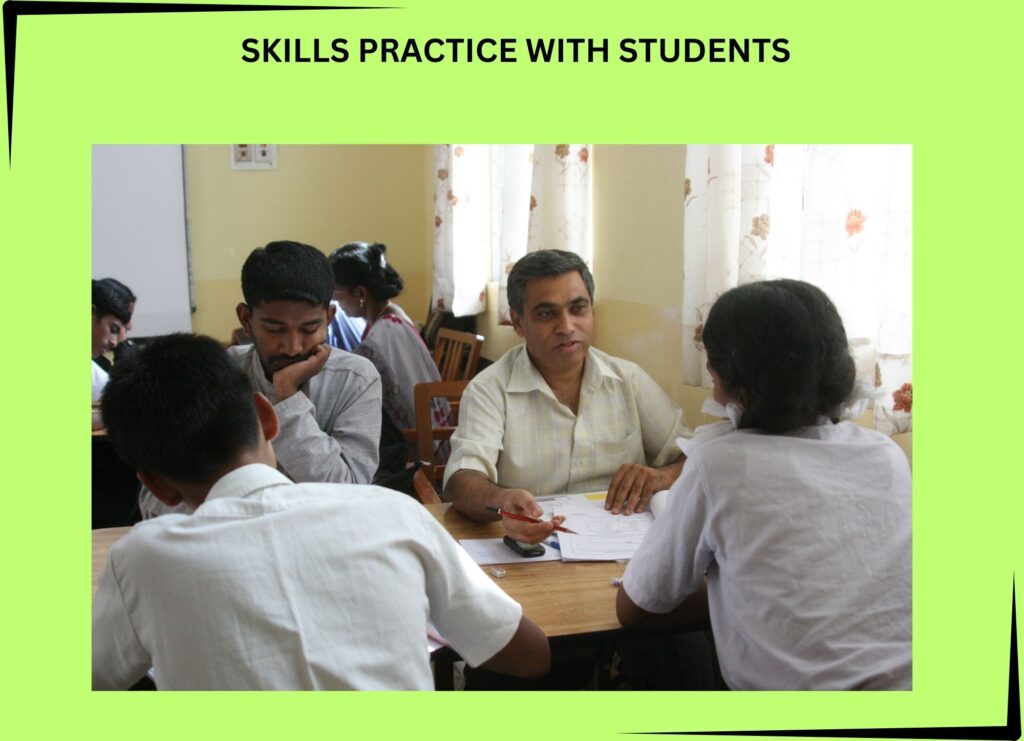
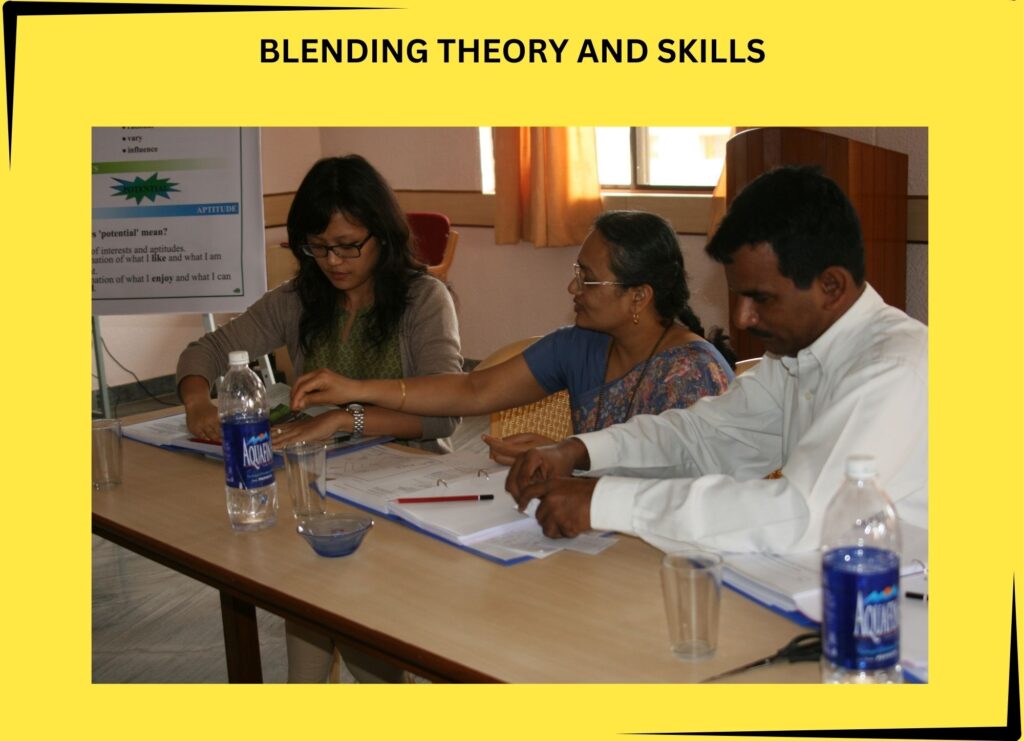
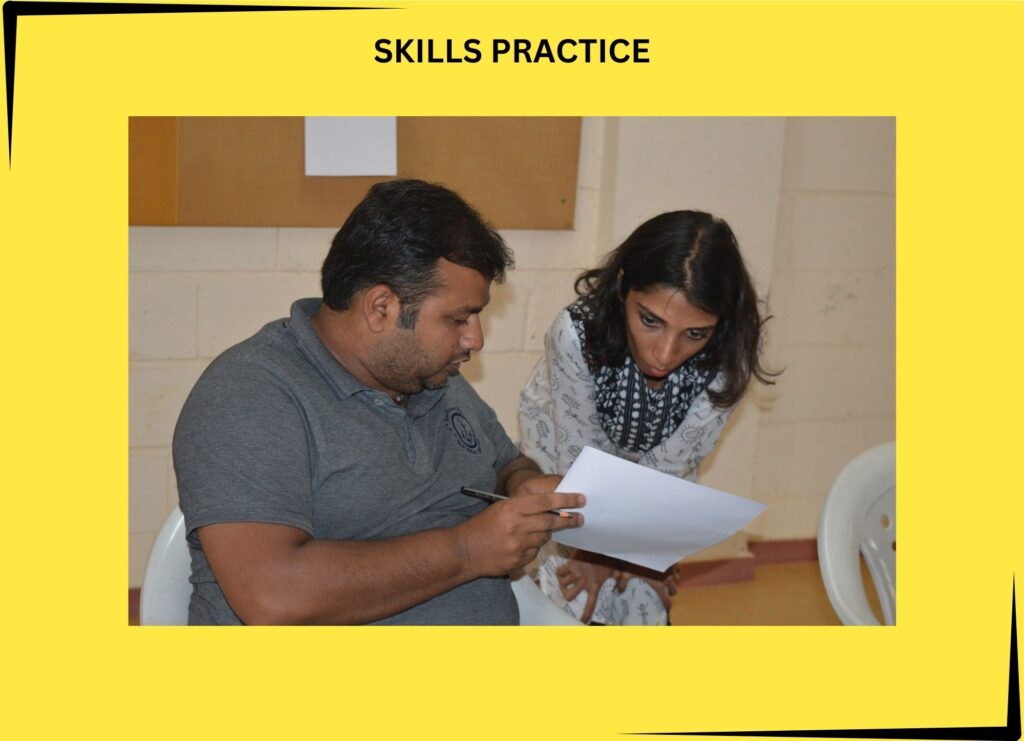
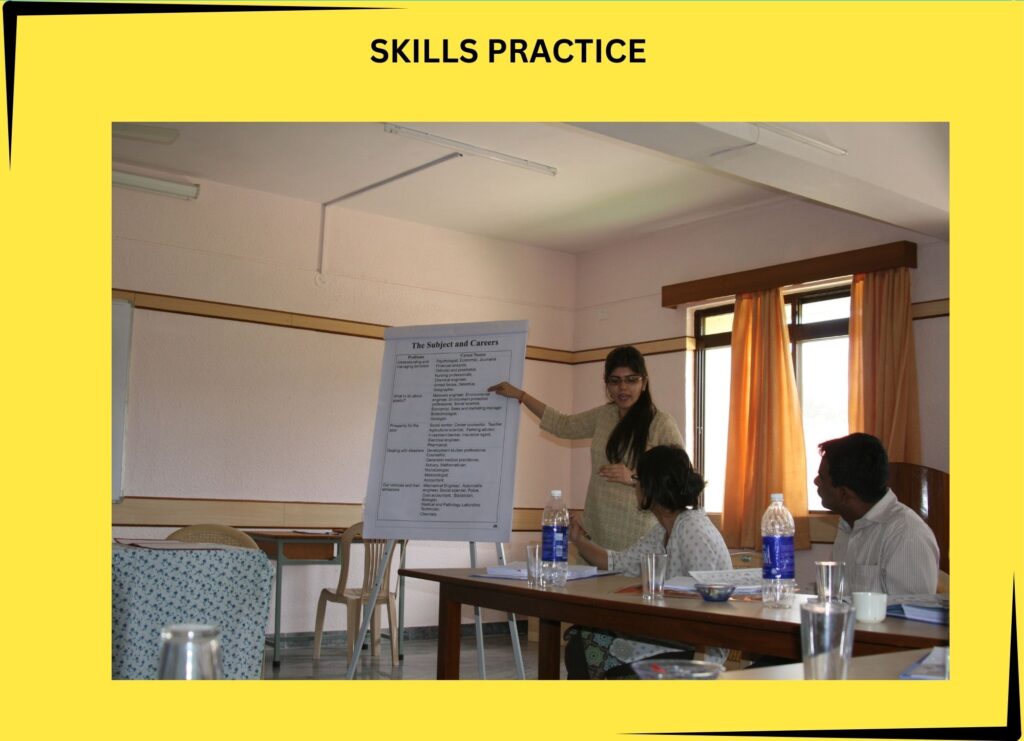
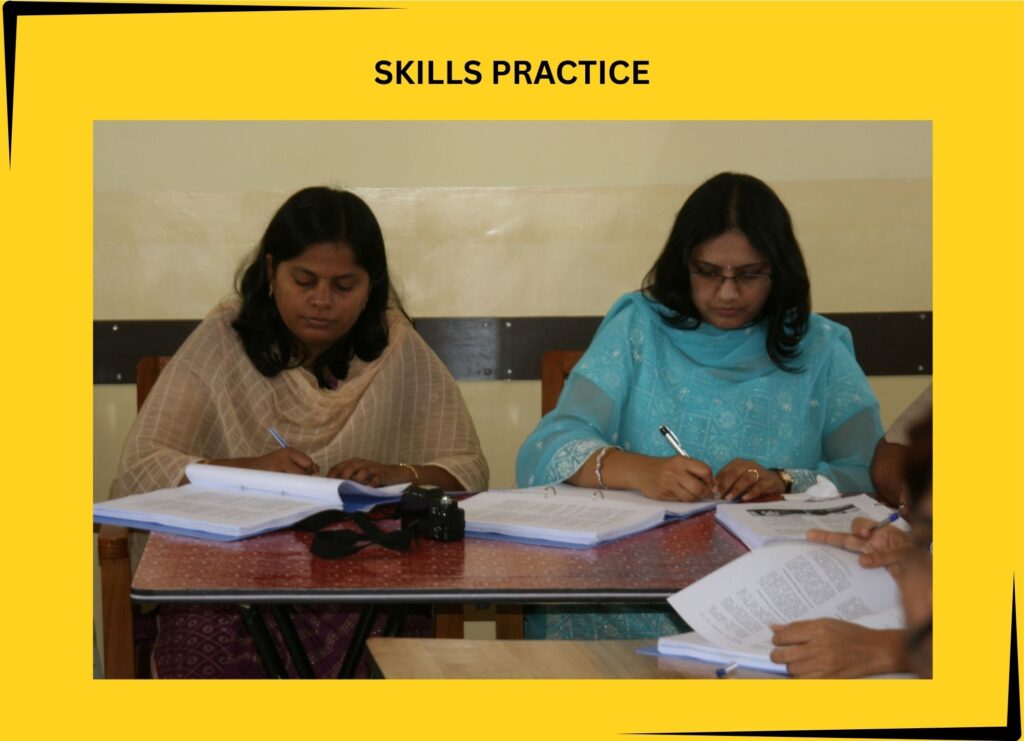
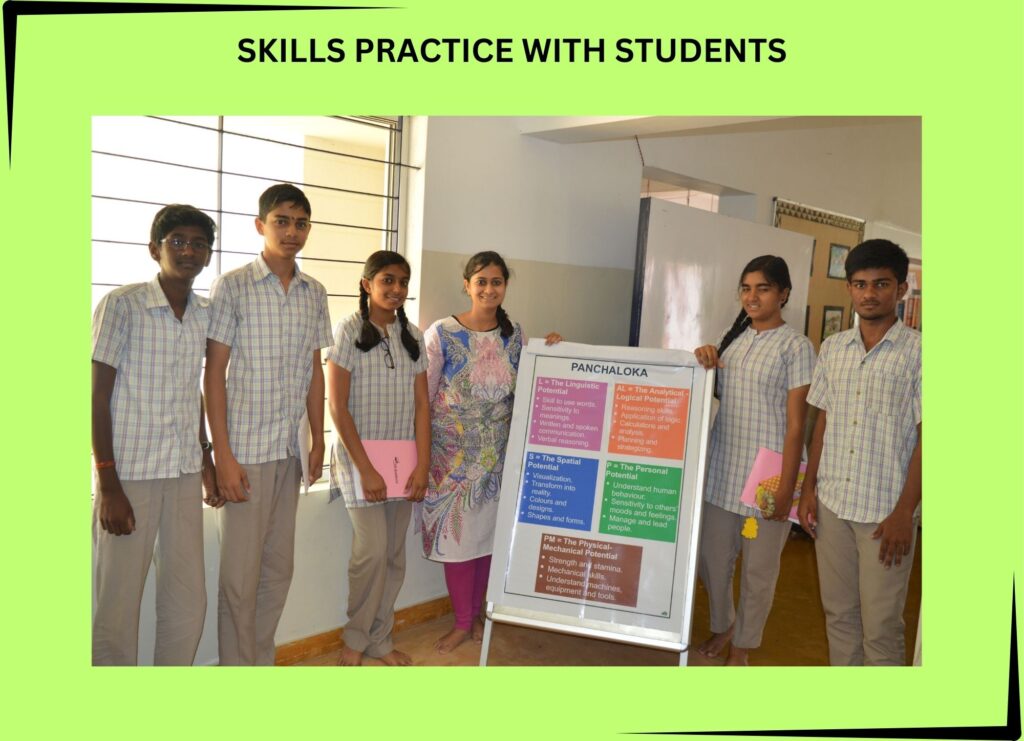
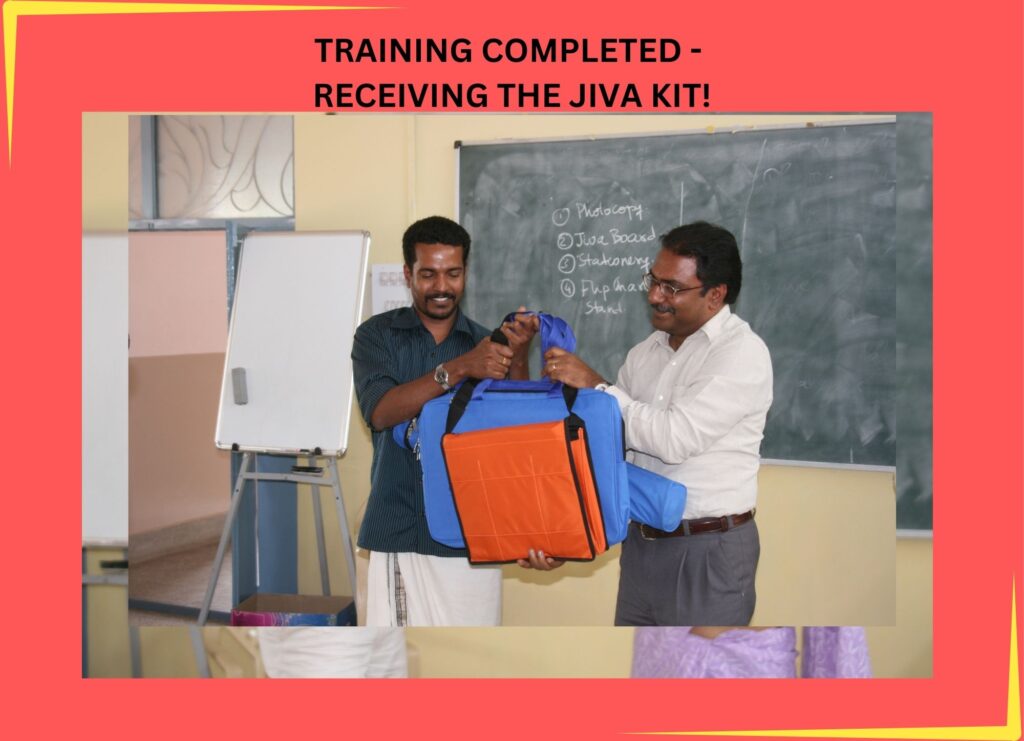
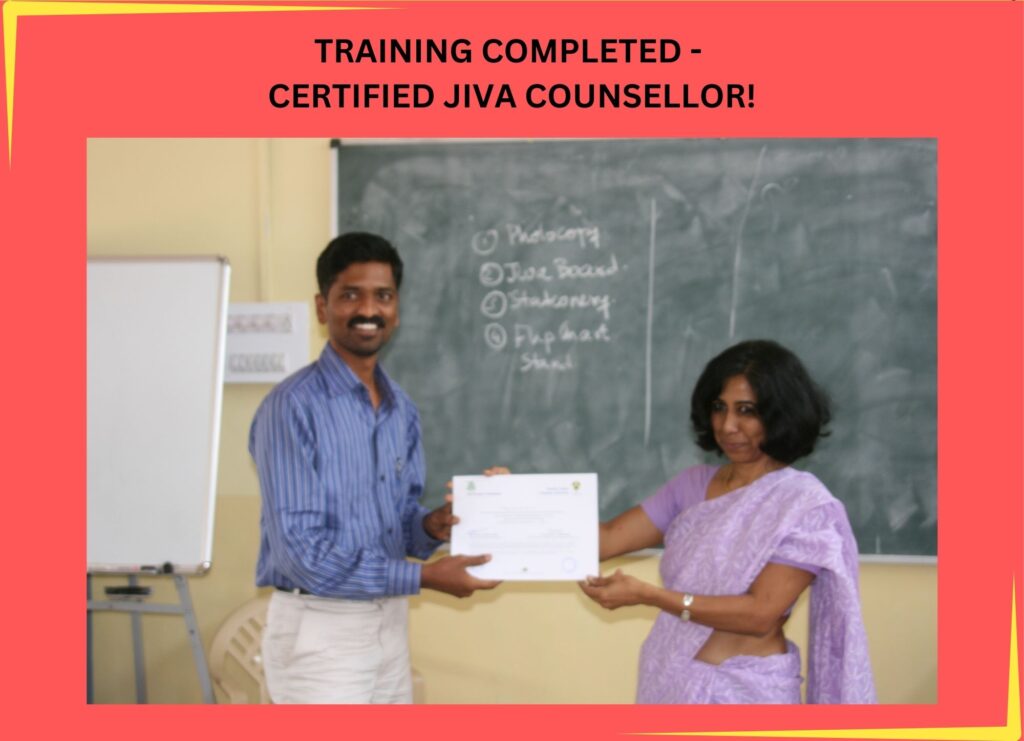
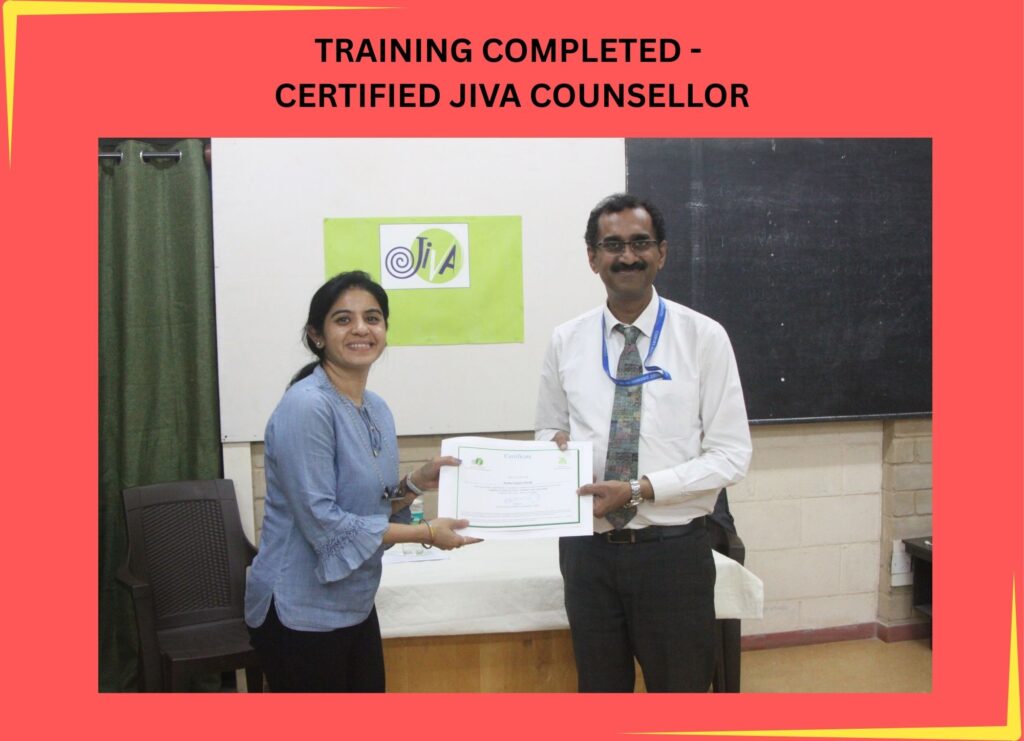
As a part of its core commitment to capacity building, The Promise Foundation trains counsellors through an intensive, competency-based, 6 to 8-day certification course designed by expert career psychologists, with a focus on practical, activity-based, and culturally relevant methodologies. The training equips counsellors to shift from traditional, lecture-based methods to student-led, “workshop” formats that use the “Jiva Kit” and the four-step “Jiva Career Discovery Path”. The photos show the certificate training course in progress.
M.Phil and PhD:
With a view to contributing to the academic and scientific aspects of career psychology, The Promise Foundation has designed curricula for M.Phil degrees and also supervises doctoral scholars. To date, 4 students have obtained M.Phils and 5 students have obtained doctoral degrees.
CLICK HERE FOR FURTHER INFORMATION ON THE JIVA COURSES AND TRAININGS.



Publications
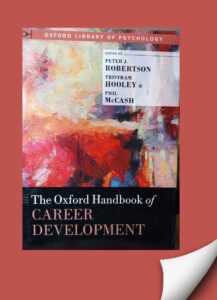
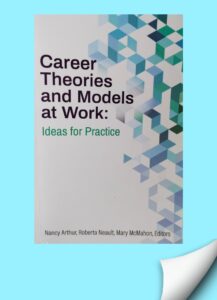
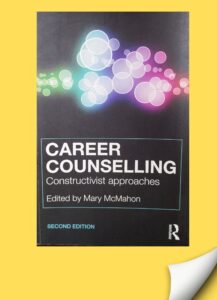
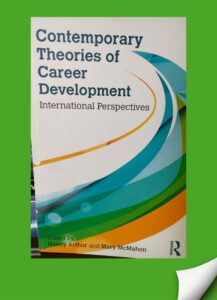
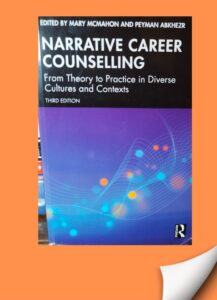
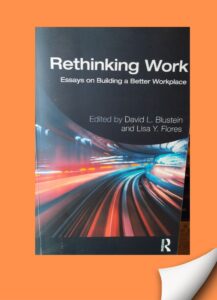
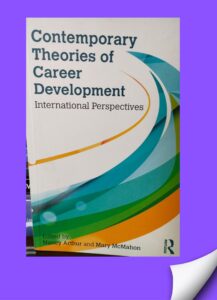
Over the years, The Promise Foundation has made significant contributions to the scientific literature pertaining to career psychology, youth development, livelihood planning and career guidance. We publish our action research findings in international, peer-reviewed journals and academic books.
- Books: 2 books which are regularly prescribed as textbooks and handbooks for students of career psychology. Our Handbook of Career of Career Development: International Perspectives has been purchased / downloaded by over 125,000 individuals. Over 155,000 individuals have read and use our scientific papers.
- Book Chapters: We have published chapters in over 20 leading edited handbooks on career psychology.
- Journal Articles: We have published over 80 papers in scientific journals.
- International Conferences: We have presented invited key lectures, seminars and workshops in over 60 international conferences.
PLEASE CLICK HERE FOR ACCESS TO SOME OF OUR PAPERS, REPORTS AND OTHER PUBLICATIONS.